
If you are looking for the best hidden beaches near Cape Town, the appeal is not only about fewer people. It is about finding places where the coastline feels more unruly, more intimate and, in some cases, more rewarding because you have to work a little to reach it.
Cape Town’s most famous beaches are famous for a reason, but they are not the whole story. Along the Atlantic Seaboard and around the False Bay coastline, there are pockets of sand, rock shelf and sheltered water that feel far removed from the busiest stretches of the city. Some are tucked beneath cliffs. Others sit at the end of a steep path, a scramble or a reserve trail. A few are best treated as scenic stops rather than easy swim spots.
This guide focuses on lesser-known coastal places that suit travellers who want something quieter, more rugged and a little more local in feel. You will find access notes, wind considerations, and the sort of practical detail that matters when the beach is not reached by a simple promenade walk.
1. Bali Beach and Beta Beach, Bakoven / Camps Bay
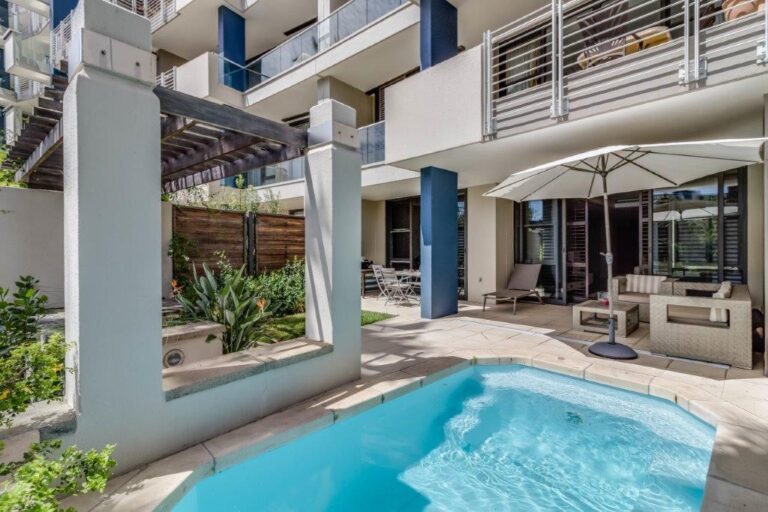
Where to stay: Sunset Azure Apt — View Sunset Azure Apt
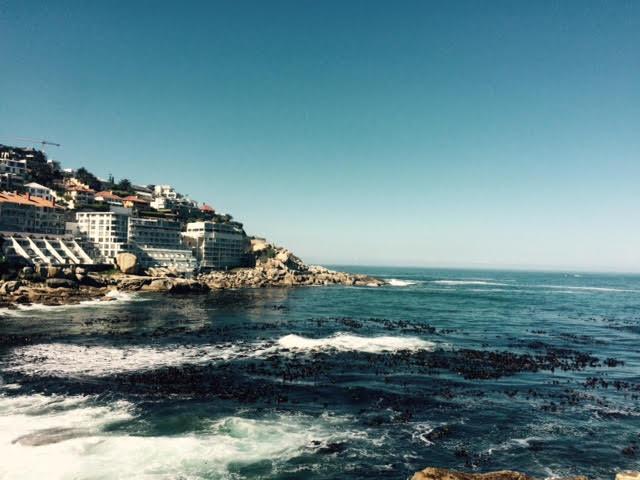
For travellers staying on the Atlantic side of the city, Bali Beach and Beta Beach are among the most useful places to know. They sit in the Bakoven area, just beyond the more obvious sweep of Camps Bay, and they tend to feel calmer and more tucked away than the big-name beaches nearby.
Beta Beach is the easier of the two to access and is known for its compact bay, boulders and generally more sheltered feel. Bali Beach is smaller and more secluded, with a sense of being hidden behind the road line and residential edge of Bakoven. Both reward travellers who are happy with a less polished beach experience in exchange for more privacy.
These beaches are useful when the South-Easter is blowing hard over the city. They can still feel breezy, but the surrounding rocks and low-lying geography often make them more comfortable than exposed open stretches. That said, conditions can change quickly, and the Atlantic remains cold enough year-round to keep swimming brisk even on a still day.
Access is relatively straightforward compared with some of Cape Town’s more remote coves, though parking can be limited and street parking is the norm in this area. If you are coming for a quiet morning or late-afternoon visit, keep your belongings minimal and avoid leaving anything visible in the car.
2. Llandudno’s Secret Coves
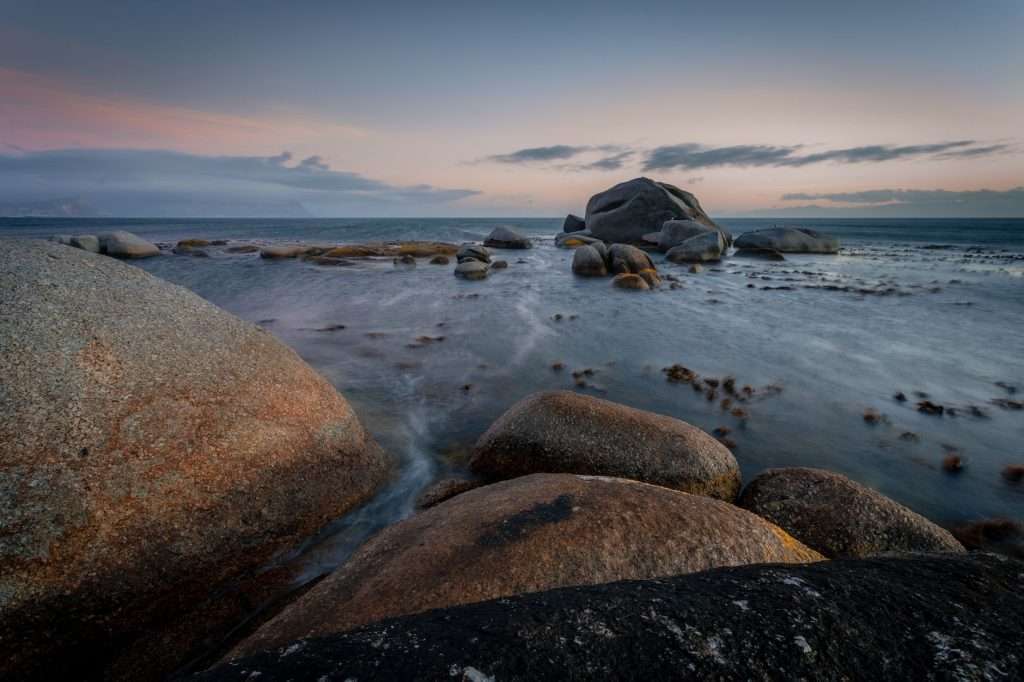
Llandudno is better known than some of the beaches in this guide, but many visitors still only see the main arc of sand and miss the smaller coves and rocky edges that make this part of the coast feel more private than its reputation suggests.
The beach itself sits in a dramatic setting with granite boulders, mountain flanks and a residential neighbourhood that preserves a more secluded atmosphere. Around the margins, the shoreline breaks into quieter corners where the beach becomes less about crowds and more about view, tide and timing. In the right conditions, these tucked-away sections feel almost hidden despite being close to a major Cape Town route.
Llandudno is worth choosing when you want a scenic beach day without the bustle of more central resort beaches. It is also a useful option for photographers and walkers because the setting is visually strong even when the water is too cold or rough for a long swim.
Parking is limited and the area is residential, so arriving early is sensible. The beach can also feel windier later in the day, especially when the Cape Doctor is active. If you are hoping for calmer conditions, mornings usually offer the better chance.
3. Sandy Bay, Hout Bay
Sandy Bay is one of Cape Town’s best-known secluded beaches, though it still feels secret enough for first-time visitors to treat it like a discovery. It sits beyond Hout Bay and is reached by a walk that keeps casual beach traffic down, which is part of why it retains its quieter character.
The setting is broad, open and striking, with dune-backed sand and a more remote feel than the city beaches further north. It is often associated with privacy rather than convenience, and that is exactly why people come here. There is no sense of a promenade, café strip or easy drop-off point; the approach asks you to plan your visit properly and bring what you need.
Because of its openness, Sandy Bay is exposed to weather and wind. On strong South-Easter days, the beach can feel uncomfortable, and the surf can be powerful. This is not a beach to approach casually if the sea is rough. It is better suited to slow beach walks, sunbathing in good weather and travellers who value space over facilities.
It is also worth remembering that secluded does not mean automatically safe. A beach this open can be less forgiving than sheltered coves, especially for swimmers unfamiliar with Atlantic conditions.
4. Platboom and Olifantsbos, Cape Point Nature Reserve
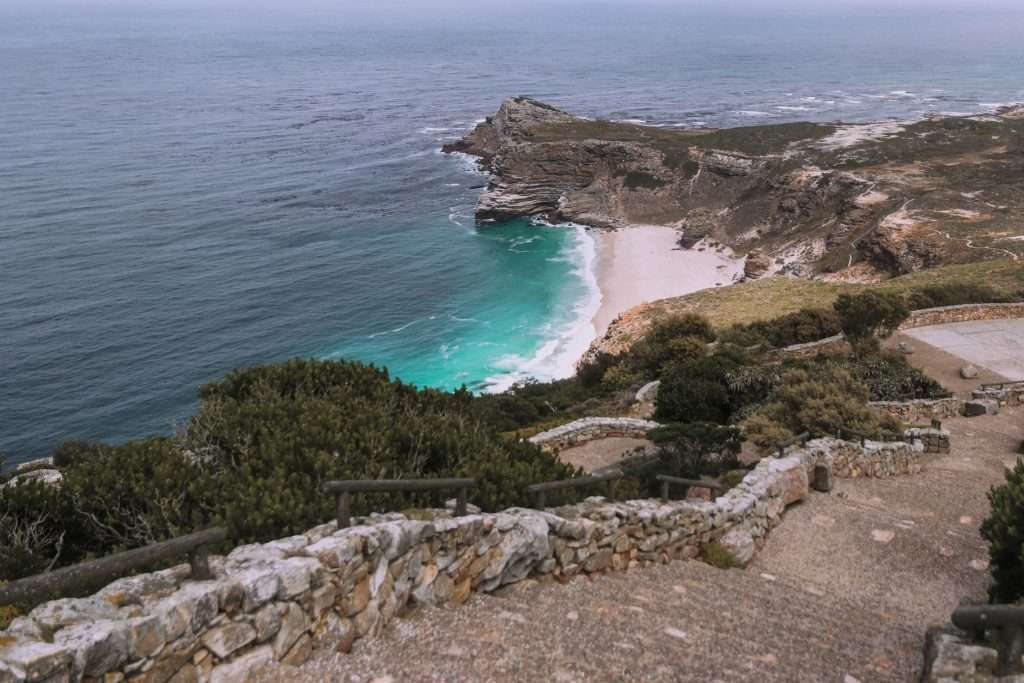
If your idea of the best hidden beaches near Cape Town includes real wilderness rather than simply quiet sand, then Platboom and Olifantsbos in Cape Point Nature Reserve belong on the list.
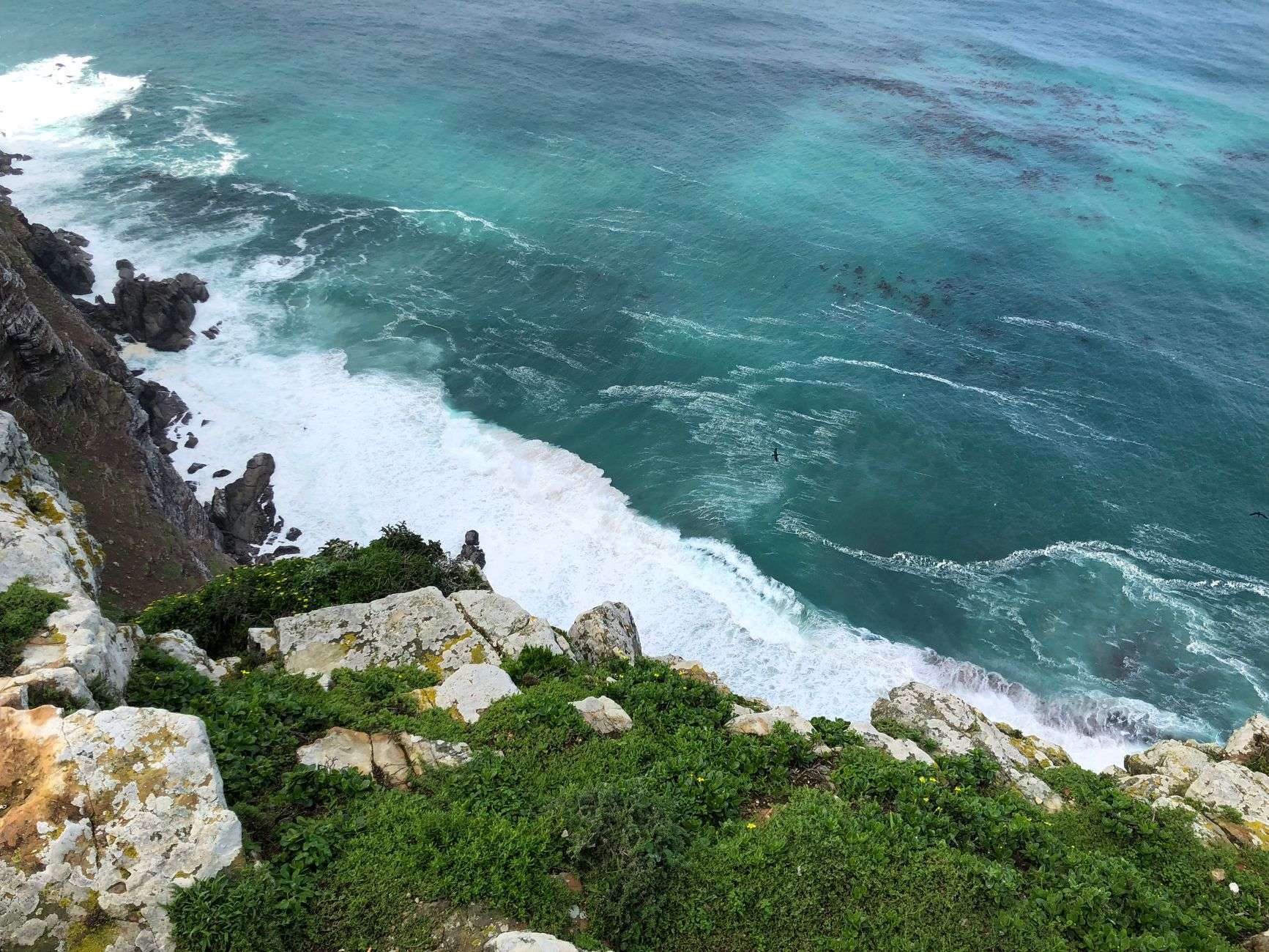
Platboom is often described as one of the most remote-feeling beaches in the reserve. It is long, open and visually dramatic, with a wild, undeveloped character that makes it very different from urban Cape Town beaches. Olifantsbos is equally attractive in a quieter, more wooded and sheltered way, with a shoreline that feels bound to the reserve rather than the city.
These beaches are best for travellers who are comfortable combining a reserve visit with a beach stop. They are not the sort of places you pop into without a plan. You should check the current reserve entry arrangements and operating times before you go, because access is governed by the nature reserve rather than by a normal neighbourhood beach setup.
Conditions can also vary sharply with wind and tide. The beaches may be beautiful on a calm day and uncompromising when the weather shifts. This is especially important at Cape Point, where the coast is exposed and the sea can be energetic. It is wise to treat these as scenic and exploratory beaches first, and swimming beaches only when conditions are clearly favourable.
5. Smitswinkel Bay, False Bay
Smitswinkel Bay is one of the more secluded coastal places on the False Bay side of the Cape Peninsula. The appeal here is the sense of remoteness: it feels far removed from the city’s familiar beach rhythm and much more like a destination for walkers, explorers and those prepared to put in some effort.
The descent is part of the experience. Smitswinkel Bay is not an easy drive-up-and-park beach. Visitors need to pay attention to the trail approach and to the practicalities of getting down and back up again, especially if carrying food, water or beach gear. Confirm the current trail markers and access conditions before setting out, as this is the sort of place where being underprepared becomes inconvenient very quickly.
Because it lies on the False Bay side of the peninsula, the atmosphere differs from the Atlantic beaches. It can still be windy and rough, but the character of the bay and the way light falls across the water give it a distinctly different mood. For many travellers, that sense of being hidden away is the whole point.
As with all remote coastal spots, parking and personal safety deserve the same attention as the scenery. Leave valuables out of sight, travel in daylight where possible and avoid assuming that isolation equals low risk.
Essential Tips for Exploring Cape Town’s Secluded Shores
Hidden beaches are rewarding, but they ask more of you than the city’s main stretches. A few practical habits make a big difference.
- Check the wind before you go. The Cape Doctor can turn a beautiful beach into an uncomfortable one, especially on exposed Atlantic shores.
- Respect the ocean temperature. Cape Town’s water is cold, even in summer, and that can affect both comfort and how long you stay in the sea.
- Do not assume sheltered means safe. Rip currents, surging swell and slippery rocks can be present even at quiet beaches.
- Plan for parking. Remote or residential beaches often have limited parking and may require a short walk.
- Travel light. At secluded coves, carrying less makes access easier and reduces the risk of leaving valuables behind.
- Visit earlier in the day if you can. Mornings are often calmer for wind, parking and crowd levels.
- Keep an eye on the tide. Some of the best spots become much less usable once the water rises.
If you are choosing between the Atlantic Seaboard and False Bay, think about your priorities. The Atlantic often gives the most dramatic scenery and the strongest wind exposure. False Bay can feel gentler in mood, but conditions still need checking carefully. In both cases, the best hidden beaches are usually the ones you approach with flexibility rather than a fixed expectation of a perfect swim.
Where to Stay Near Cape Town’s Best Beaches
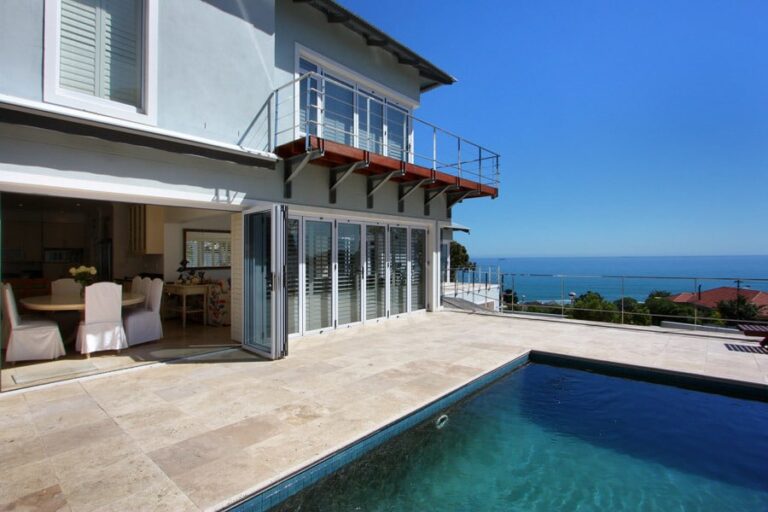
Where to stay: Sunset Azure Villa — View Sunset Azure Villa
If you want to stay close to the more secluded beaches on the Atlantic side, Bakoven, Camps Bay and Llandudno are the most practical bases. They keep you near Beta Beach, Bali Beach and the quieter coves around Llandudno, while also giving you easy access to the wider Atlantic Seaboard.
For travellers who want a more residential and private feel, Llandudno is especially appealing. For those who prefer a little more convenience without losing the coastal setting, Bakoven and Camps Bay are better positioned.
On the False Bay side, staying closer to the southern peninsula makes sense if Platboom, Olifantsbos or Smitswinkel Bay are on your itinerary. A base that reduces driving time will make it easier to work around weather windows and reserve access.
Accommodation matters here because these beaches are not always quick stops. The right base lets you choose your beach around wind, tide and light rather than forcing a rushed visit.
If you are building a Cape Town itinerary around quiet coastal places, it is worth pairing these beaches with a slower-paced day elsewhere on the peninsula. The best experience often comes from not trying to cram too much in.