

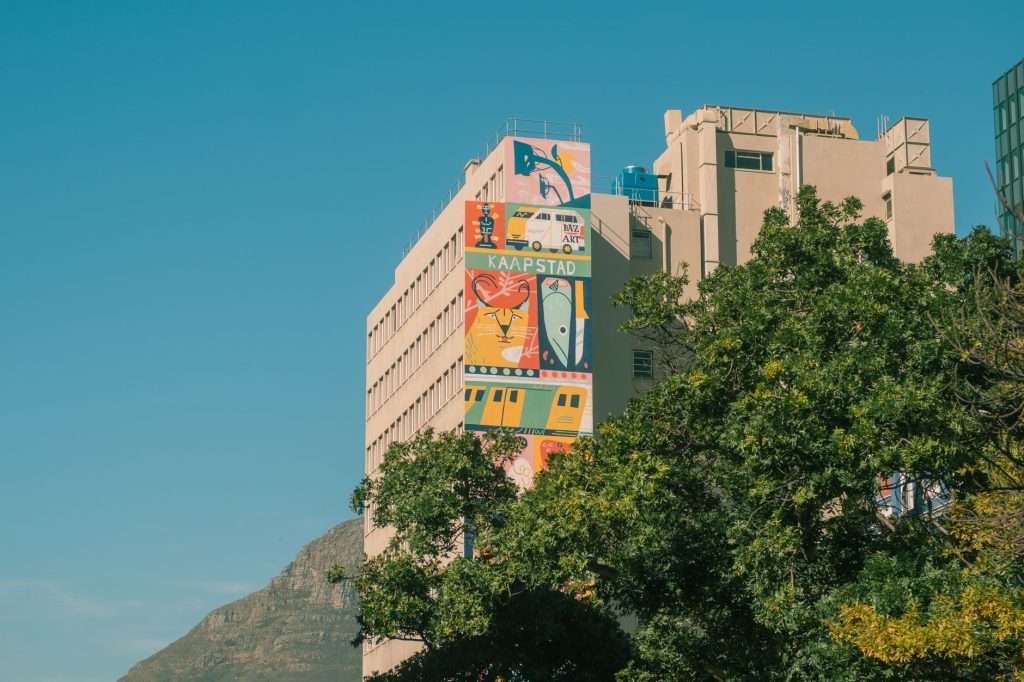
If you are looking for unusual things to do in Cape Town, the good news is that the city rewards curiosity. It is easy to fill a first visit with the obvious landmarks, but Cape Town becomes far more interesting when you move a few streets away from the standard route and start following its smaller, stranger, more local stories.
This guide is for travellers who want something more than a checklist. It brings together off-beat culture, independent film, urban art, hidden drinks spots, tidal pools, botanical architecture, community farming and coastal oddities. Some of these experiences are quiet rather than flashy. Others are only unusual because they are easy to miss. Together they offer a more textured way to spend time in the city.
You will still find scenery here, but not in the usual postcard sense. The appeal is often in the detail: a neighbourhood mural, a historic building with a second life, a walk that feels slightly secret, or a place where locals linger while visitors rush past.
1. Catch a Vintage Film at The Labia Theatre
Independent cinemas are not unusual in every city, but in Cape Town the Labia has a particular kind of charm. It is the sort of place that reminds you that a night out does not have to revolve around a mall, a multiplex or a restaurant booking. For travellers who like cultural spaces with a sense of continuity, an arthouse screening can be one of the more memorable things to do in Cape Town.
What makes it interesting is not simply the films, but the atmosphere: a slower, more considered cinema-going experience that feels tied to the city’s creative life. If you are planning a rainy afternoon or an easy evening in Gardens, this is a good choice for a quieter cultural stop between more active outings.
It also pairs well with a meal in the city bowl, which makes it easy to build into a low-key itinerary without overplanning the evening.
2. Explore the Street Art Revolution in Woodstock

Woodstock has become one of Cape Town’s most visually arresting neighbourhoods because art spilled out of studios and into the street. Murals, pasted works and large-scale public pieces have turned ordinary walls into an open-air conversation about identity, politics and urban change. For travellers looking for alternative Cape Town attractions, this is one of the clearest examples of the city’s creative energy showing itself at street level.
The appeal here is not only the artwork itself. It is the way the neighbourhood layers old industrial fabric with new creative use. You can wander between converted spaces, look up at walls you might otherwise ignore and see how the city’s creative communities have shaped the area visually.
A self-guided walk is often enough if you simply want to absorb the neighbourhood, but a more structured art-focused visit can help if you want context around the pieces and the people behind them.
What to look for
- Large murals on warehouse and factory walls
- Smaller stencil and paste-up pieces in side streets
- Creative spaces and galleries tucked into industrial buildings
3. Swim in Historic Tidal Pools Away from the Crowds
One of the most satisfying unusual things to do in Cape Town is to trade a busy beach for a tidal pool. Along the False Bay side and parts of the Atlantic coast, these pools offer a calmer, more contained way to swim in seawater, often with a stronger sense of place than a standard beach day.
What makes tidal pools compelling is their combination of utility and ritual. They are simple structures, yet they can feel like part of local life rather than a tourist attraction. For travellers, they offer a way to enjoy the coast without needing to commit to a long beach stay or a big outdoor plan.
If you are building a more unconventional itinerary, tide-dependent coastal spots can work beautifully as a half-day outing, especially when paired with a drive along the peninsula or a stop in a quieter seaside suburb.
Before you go, check local conditions and tide timing, and choose a pool that suits the day rather than forcing the plan.
4. Walk the Canopy on the Kirstenbosch Boomslang
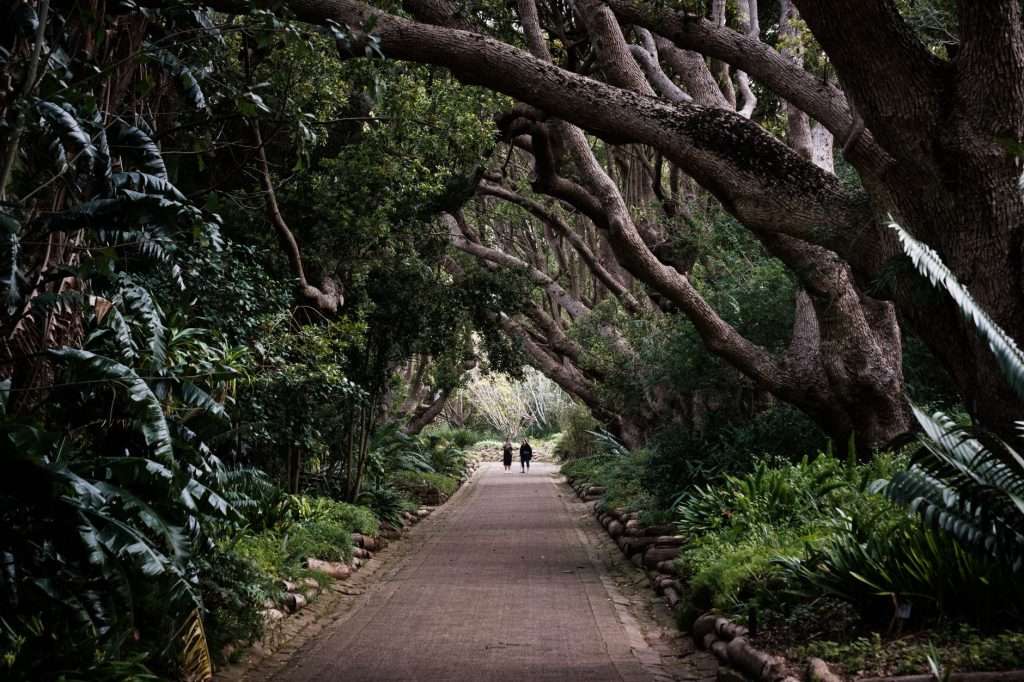
Kirstenbosch is already one of Cape Town’s most distinctive public spaces, but the Boomslang canopy walkway adds a more unusual perspective. Rather than just moving through a botanical garden at ground level, you gain a view that shifts between treetops, mountain slope and the broader landscape of the garden. It feels slightly architectural, slightly playful and very different from the city’s more familiar viewpoints.
This is a good choice for travellers who want an outdoor experience that is gentle but not bland. It suits people who like gardens, design and perspective shifts more than strenuous adventure. It also works well for couples, slower travellers and anyone building a day around scenery without the pressure of a summit hike.
If you are already planning a visit to the garden, the walkway gives the outing a visual and structural focal point. It is one of the easier ways to make a familiar Cape Town institution feel a little less expected.
5. Hunt for Hidden Speakeasies and Retro Cocktail Dens
Cape Town’s drinking scene is broad, but some of its most memorable spots are the ones that feel hidden or slightly removed from the obvious bar strip. Secretive entrances, low lighting, small rooms and a deliberate nod to old-world cocktail culture all create a sense that the evening is unfolding somewhere more intimate than a standard night out.
For travellers who want where to drink like a local in Cape Town, this is where the city becomes more interesting after dark. Rather than chasing the loudest venues, look for bars that feel folded into the neighbourhood: a room above street level, a doorway that is easy to miss, or a venue with a strong design identity rather than a big sign.
This is also a good way to balance the trip if you have spent the day in the sun. An atmospheric bar can be a far better finish than another obvious tourist stop.
In Cape Town, the best night out is often the one that feels slightly undiscovered rather than loudly advertised.
6. Discover Historic Shipwrecks and Coastal Relics
Cape Town’s coastline is more than a line of beaches. It is also a corridor of wreckage, lighthouses and weather-beaten relics that speak to the city’s long relationship with the sea. For travellers drawn to atmosphere and maritime history, these sites offer a quieter kind of fascination than the usual scenic lookout.
Some coastal remnants are best approached as part of a longer walk or drive rather than as standalone attractions. That is part of their appeal. They reward people who notice details: rusted structure, exposed timber, old navigation points, the way weather and salt have changed a site over time.
If you are the sort of traveller who enjoys a landscape with a story, this is one of the more rewarding unusual activities in Cape Town. It is also a reminder that the city’s coast is not only beautiful, but historically layered.
Be sensible about access and conditions, especially on remote or exposed stretches of shoreline.
7. Spend Time at the Old Biscuit Mill Without Treating It Like a Typical Market
The Old Biscuit Mill is well known, but it becomes much more interesting when you approach it as a creative district rather than just a shopping stop. The appeal lies in the mix of design, food, small businesses and the industrial setting itself. It is one of those places where the structure of the site matters as much as what is happening inside it.
For an offbeat itinerary, go with a slower mindset. Instead of seeing how quickly you can move through it, pay attention to the reuse of the space, the neighbouring streets and the way the precinct reflects Cape Town’s blend of heritage and reinvention.
This is especially useful if you want unusual things to do in Cape Town that still feel easy to slot into a busy trip. It sits comfortably between a cultural morning and a lunch stop without demanding a full day.
8. Browse Bay Harbour Market for a More Local Weekend Mood
Market-going is not unusual in itself, but Bay Harbour Market has a particular atmosphere that can feel more characterful than a generic souvenir stop. It draws together food, music and browsing in a way that gives a weekend outing some personality, especially if you enjoy places that feel social rather than polished.
The market is a good option for travellers who like to meet a city through its informal public spaces. You are not there for a major sight; you are there for a lively, layered environment where you can eat, listen, linger and watch how locals use the space.
That makes it a useful addition to an alternative Cape Town itinerary. It is not trying to be a museum, and that is exactly why it belongs on a list of quirky things to do in Cape Town.
9. Follow the City’s Independent Cinema and Theatre Culture
If you enjoy cultural spaces that feel rooted in the city rather than imported for visitors, Cape Town’s independent theatre and cinema scene is worth paying attention to. A night at The Fugard, a local stage production or a smaller screening can reveal a side of the city that is thoughtful, political, humorous and often under the radar for short-stay travellers.
This kind of outing is especially useful if you want an evening that does not rely on restaurants, bars or scenic drives. It gives the trip a different rhythm and often puts you in neighbourhoods that feel more local than the usual tourist circuit.
It also pairs well with an interest in architecture, performance and urban history, especially if you like the idea of a city being understood through its cultural rooms as much as its landmarks.
10. Spend an Hour at Oranjezicht City Farm
Urban farming might not be the first thing people associate with Cape Town, which is exactly why it belongs on a list of unusual places to visit. Oranjezicht City Farm offers a different kind of city experience: one shaped by growing food, seasonal rhythm and community use rather than spectacle.
For travellers, it can be refreshing to visit a place that is neither a formal attraction nor a shopping destination. There is something grounding about spending time in a space where produce, plants and people share the same foreground. It can also be a good complement to a morning of neighbourhood exploring, especially if you like markets with a stronger connection to local food systems.
It is an easy way to see a more everyday side of Cape Town, without drifting into routine or forgettable sightseeing.
11. Look for the City’s Quirks in the Company’s Garden
The Company’s Garden is often treated as a pleasant central green space, but it also has a more eccentric side if you slow down enough to notice it. The history is layered, the setting is deeply tied to the city centre and the details reward a closer look. Even without chasing every historical angle, it is a place where Cape Town’s colonial and civic past sits visibly in the landscape.
What makes it fit this guide is not that it is obscure, but that it offers small surprises for attentive visitors. It works well as a pause point between more distinctive activities, or as part of a walking route through the city bowl.
If you like places that reveal themselves in fragments, this is one of the more quietly unusual places to spend time in central Cape Town.
12. Choose False Bay and the South Peninsula for a Slower Kind of Adventure
Where to stay: St James Private Coastal Retreat — View St James Private Coastal Retreat
If you want alternative Cape Town attractions that are more about atmosphere than adrenaline, the South Peninsula is a strong place to look. The combination of coastal villages, tidal conditions, less hurried beaches and the sense of moving away from the city’s busiest routes gives the area a very different feel.
This is where you can build a day around small discoveries: a quieter cove, a seafront stroll, a stop for coffee, a look at local marine life or simply the experience of being somewhere that feels less performed for visitors. The Sunshine Coast and False Bay side also suit travellers who prefer gentler exploration to high-intensity sightseeing.
For many visitors, this becomes the part of the trip that feels most personal. Not because it is secret in an absolute sense, but because it allows you to shape your own pace.
How to Build an Offbeat Cape Town Itinerary
Where to stay: Ithaka – A Hidden Coastal Gem — View Ithaka – A Hidden Coastal Gem
The most satisfying unusual things to do in Cape Town tend to work best when mixed rather than stacked. A strong alternative itinerary might combine one cultural stop, one neighbourhood walk and one coastal experience, leaving enough time for the city to surprise you in between.
A simple approach could look like this:
- Start with a slow morning in a garden or market setting
- Spend midday in a creative neighbourhood such as Woodstock or the city bowl
- Finish with a tidal pool, hidden bar or independent cinema
That mix gives you variety without forcing too much movement across the city. It also helps you avoid the trap of trying to do too many unusual places in one day, which can make a good idea feel rushed.
Conclusion: Cape Town Rewards the Curious Traveller
The best unusual things to do in Cape Town are not necessarily extreme or secret. They are often the places that ask for a bit more attention: the neighbourhoods with visual texture, the venues with a clear point of view, the coastline with a story attached, or the public spaces that feel lived in rather than packaged.
If you want a trip that feels more distinctive, resist the urge to overfill it with the obvious headline attractions. Leave room for the independent cinema, the mural-covered street, the quieter pool, the hidden bar and the walks that reveal the city in layers. That is where Cape Town starts to feel less like a checklist and more like a place with a personality.