

If you are looking for the best places to see wildlife near Cape Town, it helps to start with a simple truth: the Cape is not Kruger, and it should not be sold as if it were. What it does offer is a distinctive mix of coastal, marine and reserve-based wildlife experiences that suit a city break surprisingly well.
Within easy reach of Cape Town you can see African penguins, Cape fur seals, seasonal whales, seabirds, antelope, baboons and a wide range of wetland birds. If you want a more traditional safari day, there are malaria-free reserves within range too — but they are better understood as managed game-viewing experiences than as a substitute for a full national-park safari.
This guide is built for travellers who want the real options, not the hype: where to go, what you are likely to see, and how to plan a visit that is practical and respectful of the animals.
Marine Life & Coastal Wildlife: Penguins, Seals and Whales
For many visitors, the most memorable wildlife near Cape Town is found along the coast. The False Bay side of the peninsula is especially rewarding because you can combine sea views, rocky shorelines and protected colonies without needing a long drive.
Boulders Beach and Simon’s Town for African penguins
Where to stay: Ithaka – A Hidden Coastal Gem — View Ithaka – A Hidden Coastal Gem
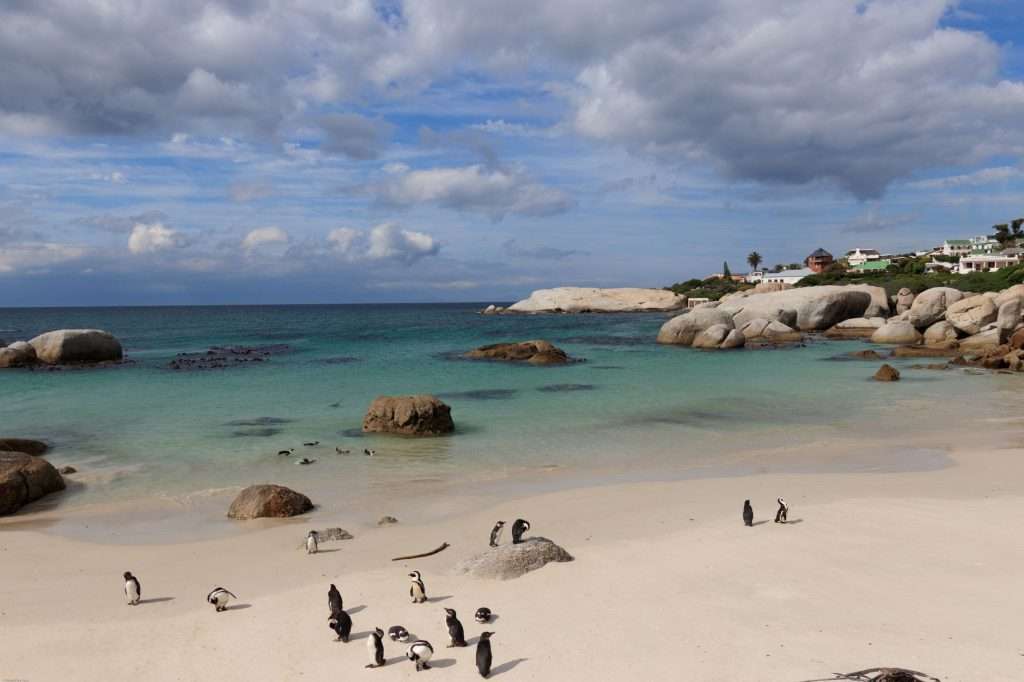
Boulders Beach is the best-known place to see African penguins near Cape Town, and it earns that reputation because the birds are genuinely there, living in a coastal colony rather than appearing in an artificial enclosure. Simon’s Town is the natural base for this outing, with several nearby access points depending on how you want to view the colony.
Go expecting penguins rather than a “safari” atmosphere. The experience is about boardwalks, beach coves, granite boulders and careful observation. The best way to enjoy it is slowly: give the birds space, stay on the paths where required, and keep your expectations focused on what the site actually offers.
If you are staying on the South Peninsula, this is one of the easiest wildlife experiences to build into a half-day outing. It also works well with other False Bay stops.
False Bay for seals, shorebirds and seasonal whales
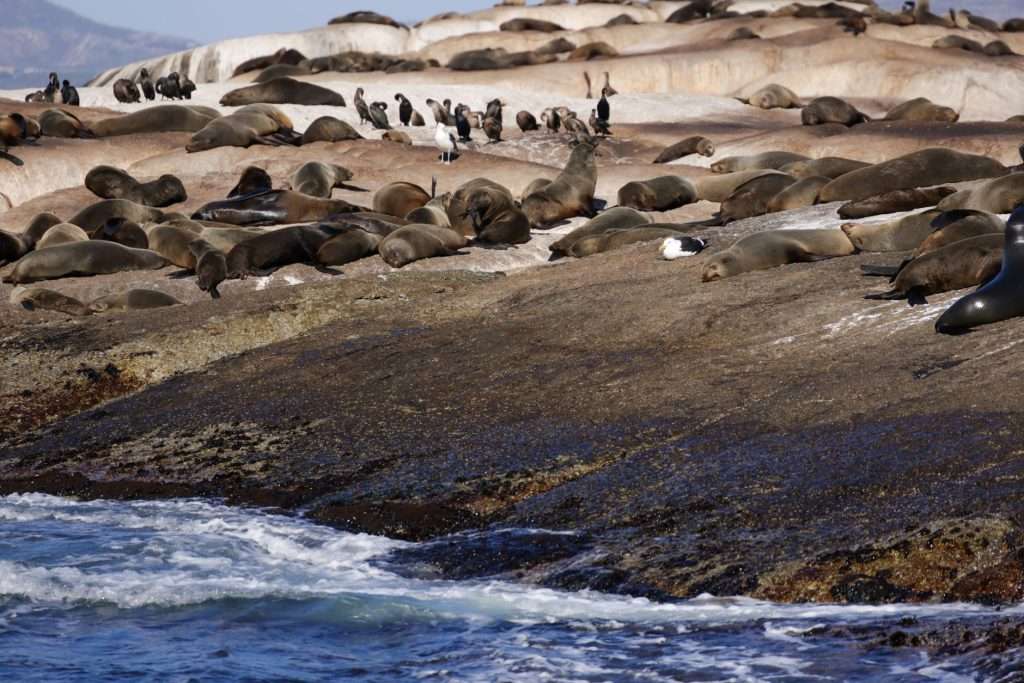
False Bay is one of Cape Town’s most versatile wildlife corridors. Along the coast you may see Cape fur seals, gulls, cormorants, terns and other seabirds, as well as seasonal whale activity from suitable viewpoints. The bay is also good for travellers who want wildlife without committing to a full reserve visit.
Whale watching around the Cape is seasonal, and the brief for this article specifically highlights False Bay and Hermanus as the principal places to verify for timing. Because seasonality changes from year to year, it is worth checking current local advice before planning a whale-focused trip. If whales are your main goal, build in flexibility rather than fixing one exact date months ahead.
Hermanus for whale watching
Hermanus is the most famous shore-based whale-watching destination connected to Cape Town. It is far enough from the city to require proper planning, but close enough to work as a long day trip for travellers prioritising marine life over a packed urban itinerary.
The value of Hermanus is not just the whales themselves, but the ease of shore viewing when conditions are right. That said, no coastal wildlife outing should be treated as guaranteed. If you go, do so with realistic expectations and allow the coastline to do the work.
National Parks and Coastal Reserves Within an Hour
If you want wildlife that feels more natural than a zoo and less staged than a commercial safari, the Cape’s parks and reserves are often the best compromise. These are places where birds, antelope and small mammals are more likely to be the focus than lions or elephants.
Table Mountain National Park and the South Peninsula
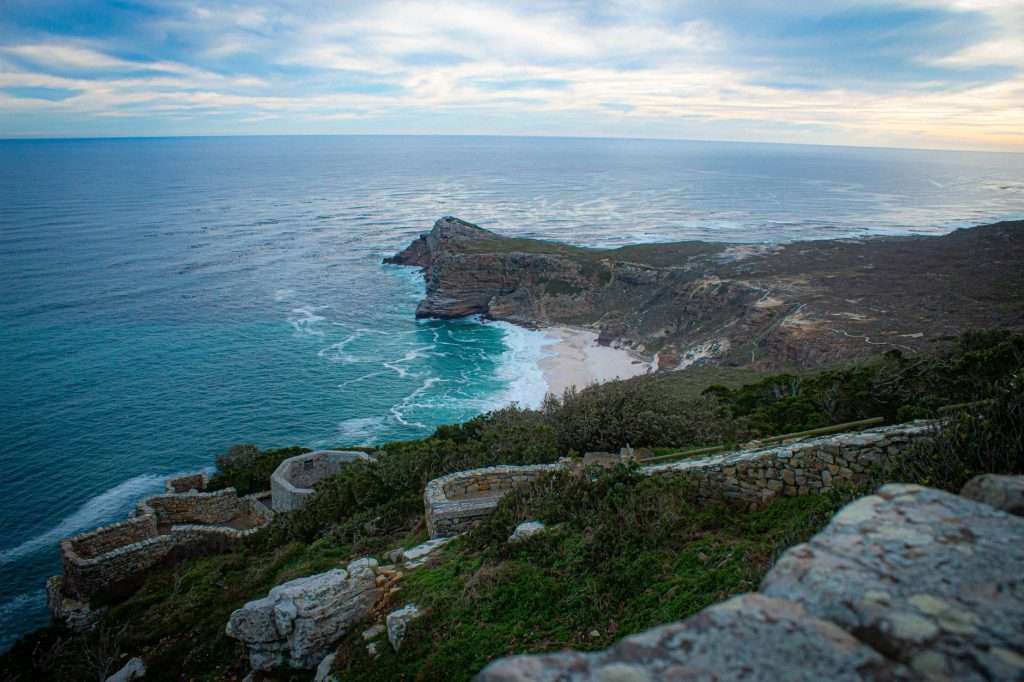
Table Mountain National Park is one of the best answers to the question of where to see animals near Cape Town without travelling far. In the South Peninsula, the combination of mountains, fynbos, rocky coast and protected shoreline gives you a strong chance of spotting smaller species and marine wildlife, as well as baboons in some areas.
Chacma baboons are the headline species here, but they come with an important caveat: they are wild animals, not park entertainment. Keep food secured, do not feed them, and give them plenty of room. In general, the Cape Peninsula rewards calm, observant visitors far more than rushed ones.
Birdlife is also excellent in the park, especially where coastal and fynbos habitats overlap. For travellers who enjoy slower wildlife viewing, this can be one of the most satisfying areas near the city.
West Coast National Park for birds, antelope and seasonal colour
West Coast National Park is one of the best places to combine wildlife with open landscapes, especially if you enjoy birds and antelope. It is also the sort of place where the scenery matters as much as the animals: salt marshes, lagoons, dunes and broad coastal skies create a very different wildlife experience from the Cape Peninsula.
Depending on the season, the park can be especially appealing for travellers who want to pair wildlife viewing with wildflower country. The brief flags it as one of the places where seasonality matters, and that is exactly right: the mood of the park changes significantly through the year.
If you are choosing between a penguin outing and a broader nature drive, this is a strong option for travellers who care more about birds, space and landscape than about one iconic species.
Bontebok National Park for antelope and open-country viewing
Bontebok National Park is a worthwhile name to know if you are planning beyond the city itself. It is most relevant for travellers with more time who want to see antelope and open-country wildlife in a protected setting rather than focusing only on Cape Town’s coastline.
It is not a Cape Town city outing, but it belongs in any honest discussion of wildlife accessible from the region because it offers a different kind of fauna experience from the better-known marine stops.
Day-Trip Game Reserves: Can You See the Big Five?
This is the section most travellers ask about first. The short answer is yes, you can do a proper game-viewing day trip from Cape Town, but you should be clear about what kind of safari you are booking.
You are not heading into a vast wilderness area like the Kruger. You are visiting managed reserves that offer a concentrated wildlife experience within reach of the city. That can still be enjoyable, but it is best approached as a planned day safari rather than an open-ended self-drive game drive.
Aquila Private Game Reserve
Where to stay: St James Private Coastal Retreat — View St James Private Coastal Retreat
Aquila Private Game Reserve is one of the best-known day-trip safari options from Cape Town. It is the name most visitors encounter when they search for a Big Five experience close to the city, and for many travellers it is the most straightforward way to include larger safari animals in a Cape Town holiday.
Because packages, opening arrangements and operations can change, the facts in the brief should be verified before travel. If you are considering Aquila, check the current day-safari offering and current operating status directly before committing to the plan.
What matters from a traveller’s point of view is this: if your goal is to see large game on a day trip, this is the type of place to research first.
Sanbona Wildlife Reserve
Sanbona Wildlife Reserve is another important option for travellers who want a managed safari experience from Cape Town, though it is more ambitious than a casual half-day outing. The brief again notes that current operating status and day-safari options should be checked before travel.
Sanbona is relevant here because it gives visitors an alternative to Aquila when planning a wildlife-focused escape from the city. If your trip allows for a longer outing and you want a more immersive reserve setting, it is worth including in your shortlist.
The key point is to choose a reserve for the wildlife experience you actually want, not simply because it appears on every generic list.
Birdwatching and Wetlands Close to the City
Not every rewarding wildlife sighting near Cape Town involves large mammals. In fact, some of the best viewing is quieter and more local — especially if you enjoy birds, reedbeds, estuaries and the slower rhythms of wetlands.
Rondevlei Nature Reserve
Rondevlei Nature Reserve is one of the most useful names to know if birds are high on your list. The brief flags current accessibility and bird hide conditions as items to verify, which is sensible because wetland infrastructure can change.
For the traveller, the appeal of Rondevlei is that it offers a proper nature reserve experience without requiring a long drive out of the metro. It is especially relevant if you want birdwatching close to the city or if you are building a wildlife day out around several Cape Flats or southern suburbs stops.
If you enjoy binoculars, field guides or patient observation, a wetland reserve can be as rewarding as a coastal boardwalk.
Other birding landscapes to consider
Beyond the named reserves, many of Cape Town’s best birding moments happen in places that are not marketed primarily as wildlife attractions. Lagoons, estuaries, coastal paths and fynbos slopes all offer chances to see local birdlife. The best approach is to keep your expectations broad and your pace slow.
If you are looking for a specific species list, choose your location for habitat first: coastal for seabirds, wetlands for waterbirds, open reserves for antelope and larger game, and the peninsula for mixed habitat and marine life.
Practical Tips for Ethical and Safe Wildlife Viewing
Good wildlife viewing near Cape Town is as much about behaviour as location. A little care goes a long way, both for your experience and for the animals.
- Do not feed wild animals. This is especially important with baboons, which can become aggressive and habituated if people share food.
- Keep distance. Penguins, seals and birds should be observed without crowding or blocking their movement.
- Check seasonality. Whale watching, wildflowers and some reserve experiences are seasonal, so verify what is likely before you go.
- Confirm current details. Opening hours, fees, reserve status and access conditions can change, particularly for sites managed by SANParks or private reserves.
- Plan transport realistically. Some wildlife spots are easy to combine on a peninsula drive, while others are better as dedicated day trips.
- Choose the right expectation. Penguins, seals, birds and whales are coastal wildlife experiences; game reserves are different again. Each has value, but they are not the same outing.
If you want the most balanced wildlife itinerary, pair one coastal stop with one reserve or birding site rather than trying to cram everything into a single rushed day. Cape Town’s wildlife is best appreciated at a measured pace.
For most travellers, the strongest combination is simple: penguins in Simon’s Town, a False Bay or Hermanus whale stop in season, and a reserve or wetland outing if time allows. That gives you a realistic picture of the region’s fauna without forcing it into a one-size-fits-all safari template.