
Cape Town is one of those rare cities where a strong hiking day can begin above the clouds, dip through indigenous fynbos, and end with the sea in view. The best hikes here are not simply about reaching a summit; they are about perspective. A short climb can open out over the Atlantic Seaboard, while a more demanding route can hold the city bowl, False Bay and the mountain massifs in a single sweep.
If you are looking for the best hikes in Cape Town with incredible views, the key is to match the trail to the kind of scenery you want and the amount of effort you are happy to spend earning it. Some routes are ideal at sunrise, when the light is clean and the city is still quiet. Others are better for late afternoon, when the sandstone peaks warm up and the sea takes on a softer colour.
This guide focuses on scenic reward first: the hikes that give you the biggest visual return, along with practical guidance on who each one suits, what kind of terrain to expect, and how to plan conservatively.
Lion’s Head: the classic 360-degree viewpoint
Where to stay: At Altitude Cape Town — View At Altitude Cape Town
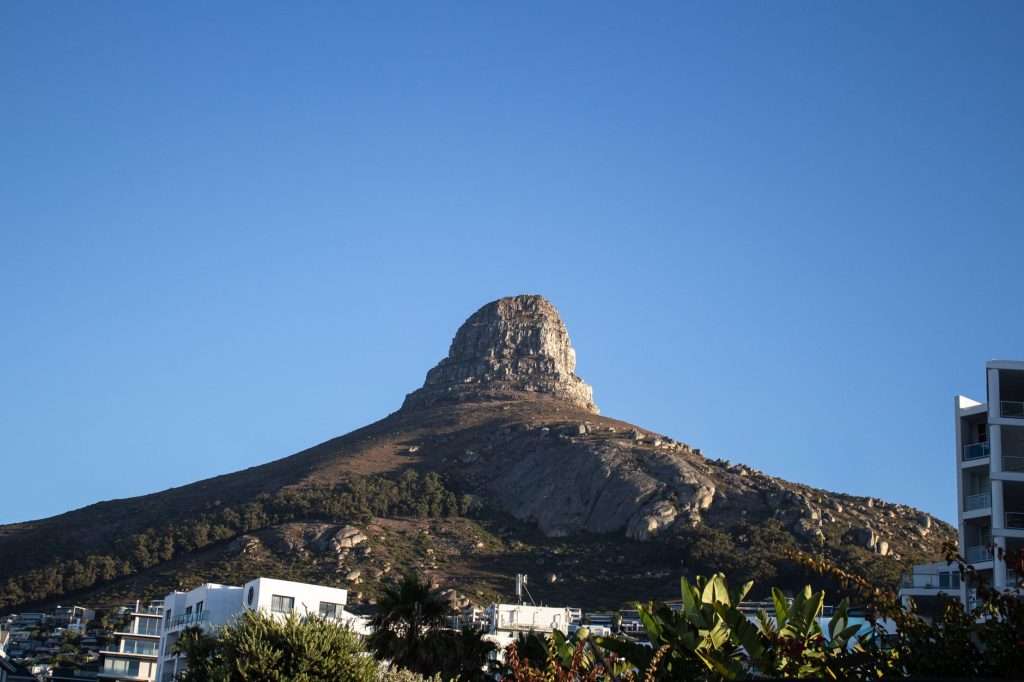
For a short hike with an unmistakably wide-angle payoff, Lion’s Head remains one of Cape Town’s most satisfying choices. The summit offers an all-round view that ties together Table Mountain, the Atlantic Seaboard, Camps Bay, the city bowl and the ocean. It is the sort of viewpoint that makes sense of Cape Town’s geography in one glance.
This is the hike to choose if you want a dramatic reward without committing to a long day on the mountain. The route is widely known for sunrise and sunset, and the experience changes noticeably with the light. Early morning can feel crisp and still, while late afternoon often brings warmer colour across the ridges and a clearer silhouette of the Twelve Apostles.
Best for: travellers wanting a scenic short hike, photographers, sunrise or sunset walkers.
What to expect: a popular route, some steeper sections and exposed areas near the top, with a summit that feels far larger than the actual effort required to reach it.
Why it stands out: very few Cape Town hikes give such a complete sense of the city in such a compact outing.
Practical note
Because this is a popular trail, it is sensible to hike with other people, carry a charged phone, and start with enough daylight for a relaxed return. The route can feel very different in wind, heat or low light, so timing matters as much as fitness.
Table Mountain: Platteklip Gorge and Skeleton Gorge
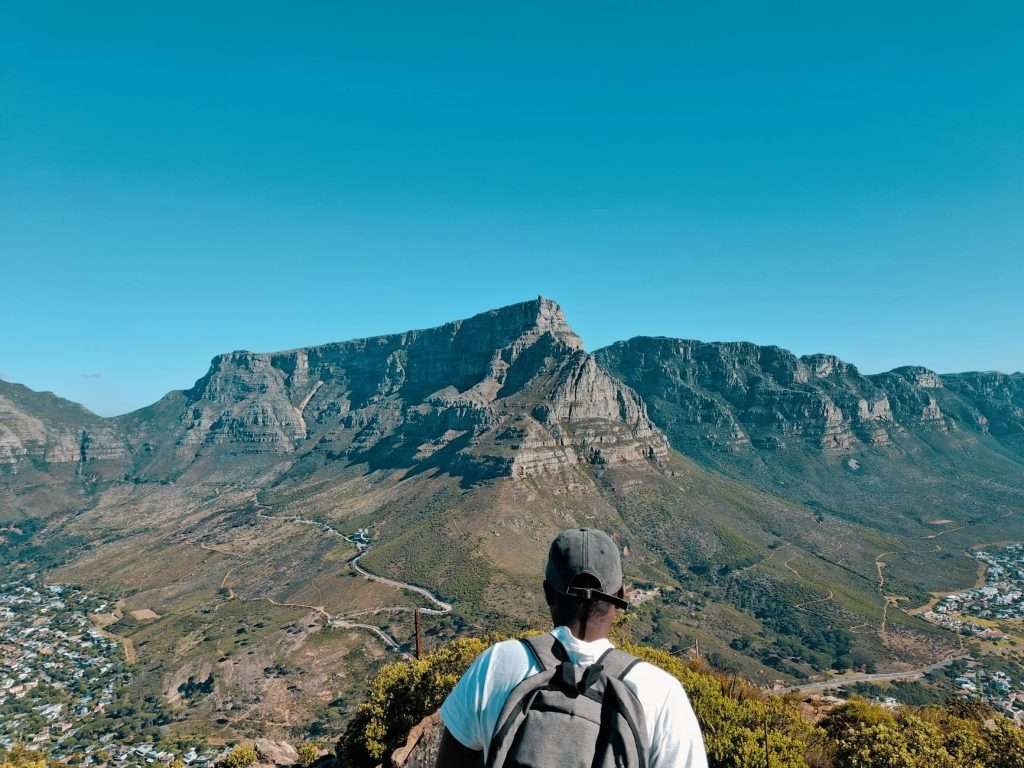
Table Mountain is not a single hike but a family of routes, each with its own character. If your main goal is an iconic summit view, Platteklip Gorge is the direct, demanding option that climbs the front face of the mountain. It is straightforward in layout but sustained in effort, and the reward is a high vantage point over the city and coastline.
Skeleton Gorge, by contrast, is a greener, more secluded route that begins in Kirstenbosch Botanical Gardens and works its way up through shaded ravines, forest sections and steeper mountain terrain. It is a very different experience from Platteklip: less open at first, more varied underfoot, and often favoured by hikers who want a quieter ascent with a stronger sense of the mountain’s ecology.
Both routes earn their place among the best scenic hiking trails Cape Town has to offer, but they suit different moods.
Platteklip Gorge is best for: hikers who want a direct ascent and the satisfaction of standing high above the city on one of the most famous mountain routes in South Africa.
Skeleton Gorge is best for: hikers who prefer a more atmospheric, shaded climb and do not mind a route that feels longer in character, even when the scenery changes gradually rather than dramatically.
Why they stand out: Table Mountain gives you one of Cape Town’s most complete panoramas, and these two routes show very different sides of the same landmark.
Practical note
Weather matters enormously on Table Mountain. Conditions can shift quickly, and cloud, wind or heat can turn a manageable hike into a much more serious outing. If you are uncertain, choose a route that matches your experience level and avoid pushing on simply because the summit is close.
Kloof Corner: high reward with relatively little effort
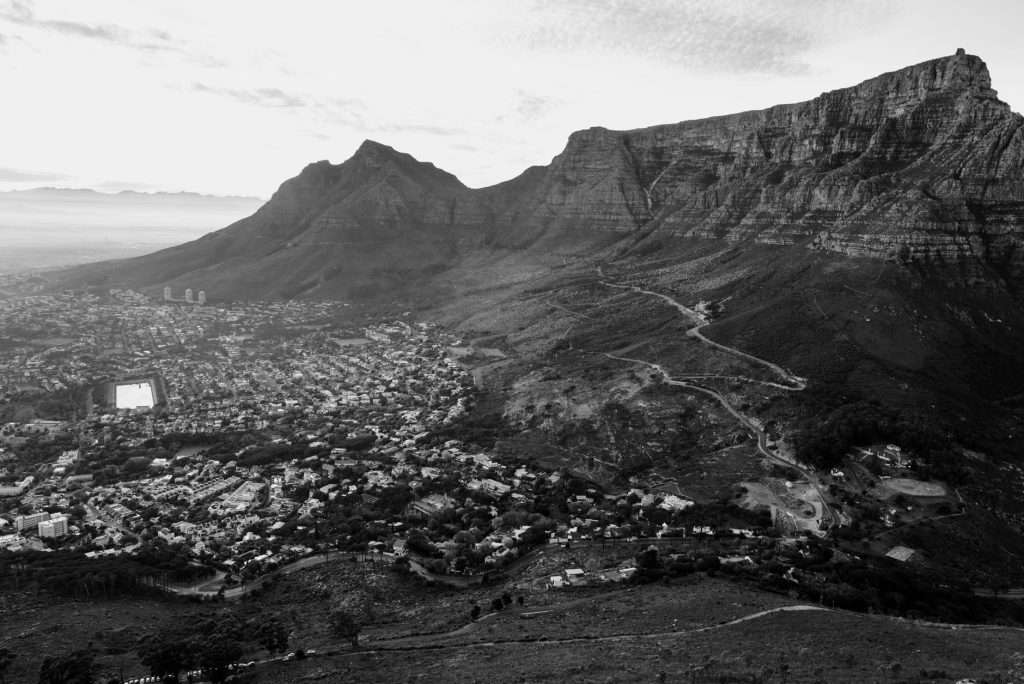
Kloof Corner is one of the most useful hikes for travellers who want a dramatic view without a full mountain commitment. It is especially attractive for people short on time, or for those who want a sunset outing with clear pay-off. From the top, the outlook can include the city bowl, Table Bay and the mountain slopes above Camps Bay, depending on the light and the weather.
This is not the longest or most demanding route on the list, but it is one of the most efficient. That makes it a valuable option for visitors who may be fitting a hike between other plans, or who want a scenic walk that still leaves energy for dinner afterwards.
Best for: travellers with limited time, sunset walkers, anyone seeking a big view without a full-day hike.
What to expect: a shorter route with sections that still require care and attention, especially near the top where the view opens out quickly.
Why it stands out: it delivers a proper Cape Town mountain experience without the time commitment of the bigger summit trails.
Devil’s Peak: the dramatic amphitheatre view
Devil’s Peak is one of Cape Town’s most visually satisfying climbs because the view unfolds in layers. From higher up, you can look across the city bowl, Table Mountain’s profile and the broader mountain landscape in a way that feels more panoramic than many shorter routes. It is a strong choice when you want the sense of elevation without being swallowed by the more heavily trafficked summit experience of some Table Mountain routes.
The mountain’s appeal lies partly in its perspective. It has a more rugged, dramatic feel than some of the better-known viewpoint walks, and it can give a good sense of how Cape Town sits between sea, mountain and urban edge.
Best for: hikers who want a more strenuous option with a strong city-and-mountain view, and those interested in a less compressed feel than some of the shorter lookout hikes.
What to expect: a more committed ascent, with the reward arriving in stages rather than all at once.
Why it stands out: the broad amphitheatre-style perspective over Cape Town is one of the route’s main pleasures.
Silvermine Nature Reserve: Elephant’s Eye Cave and the mountain-framed south side
Where to stay: Thistle Villa — View Thistle Villa
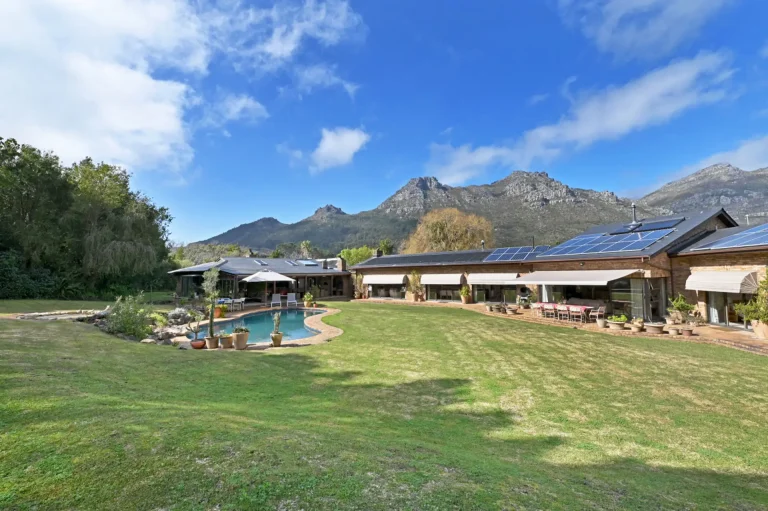
Silvermine brings a different flavour to the list. Instead of the dense city-and-ocean drama of the central mountain routes, it offers a gentler, more spacious landscape with fynbos, reservoirs, and views that feel calmer and more open. For many travellers, this is the right choice when they want scenic hiking without the intensity of the steeper, more exposed urban mountain climbs.
Elephant’s Eye Cave is one of the reserve’s best-known hikes and a rewarding option if you want a moderate walk with a destination. The route has a quieter, more contemplative feel, and the cave itself adds variety to the viewpoint experience. Rather than a single summit panorama, you get a layered landscape of mountains, vegetation and wider Cape Peninsula views.
Best for: walkers wanting a scenic half-day outing, visitors who prefer a less crowded mountain environment, and hikers interested in fynbos and broader peninsula views.
What to expect: a more relaxed hiking mood than the classic summit climbs, with scenery that changes from open mountain slopes to sheltered features and lookout points.
Why it stands out: it pairs views with a gentler pace, making it one of the better scenic hikes for mixed fitness levels.
How to choose the right hike for the views you want
Not every scenic hike in Cape Town gives the same kind of reward. Some are about the ocean. Others are about the city bowl, or about looking across the mountain chain itself. Choosing well comes down to deciding what you want to see most.
- For the widest city-and-sea panorama: Lion’s Head.
- For the most iconic summit experience: Table Mountain via Platteklip Gorge.
- For a greener, more secluded mountain climb: Skeleton Gorge.
- For a shorter hike with a big visual pay-off: Kloof Corner.
- For a more rugged, elevated city view: Devil’s Peak.
- For a gentler scenic outing with fynbos and wide peninsula views: Silvermine Nature Reserve.
If you are in Cape Town for a short stay, you may be better off doing one compact, high-reward hike well than trying to squeeze in a longer route and rushing the experience. The best view is often the one you have time to reach safely and enjoy properly.
When to hike for the best light and conditions
Timing can change the quality of a hike as much as the route itself. Sunrise is often excellent for Lion’s Head and some of the shorter viewpoint routes, especially when you want cooler temperatures and clean early light. Sunset can be equally rewarding, particularly on west-facing slopes and ridges where the Atlantic side catches the last colour of the day.
For Table Mountain routes and longer climbs, an earlier start is usually easier to manage, especially in warmer months. The mountain can become hot, exposed or tiring later in the day, and visibility is worth protecting. If cloud or wind is building, reconsider rather than pushing ahead for the sake of a plan.
The most useful rule is simple: choose the light you want, but respect the weather you are actually getting.
Essential safety and practical tips for Cape Town hikers
Cape Town’s mountain trails are rewarding, but they deserve preparation. The difference between a good hike and a difficult one often comes down to a few basic habits.
- Start early or plan deliberately for sunset. Avoid being caught on the mountain after dark unless you have planned for it carefully.
- Carry enough water. Even shorter hikes can feel punishing in warm or windy conditions.
- Wear proper footwear. Rocky sections, loose stones and steep climbs are common.
- Check conditions before you go. Wind, cloud, heat and low visibility can change the experience quickly.
- Tell someone where you are going. This is sensible on any mountain route.
- Do not rely on a view alone. A trail that looks simple from the city may be far more demanding once you are on it.
- Respect conservation rules and signage. Cape Town’s mountain ecosystems are fragile, and staying on the path helps protect them.
If you are travelling in a group, agree on pace and turnaround time before you begin. If you are hiking solo, choose a busier route, keep your phone charged, and be realistic about daylight.
For travellers who want views, not just exercise
The best hikes in Cape Town with incredible views are the ones that match your energy, your schedule and your appetite for scenery. Some will give you a vast 360-degree summit view. Others will reward you with a quieter ridgeline, a coastal panorama or a mountain path that feels well removed from the city despite being close to it.
If you want the classic Cape Town mountain moment, start with Lion’s Head. If you want the city’s most famous summit, go to Table Mountain. If you want a shorter, more efficient outing, choose Kloof Corner. For a more rugged outlook, try Devil’s Peak. And if you want a gentler, more spacious landscape, Silvermine is well worth your time.
Whichever trail you choose, Cape Town’s views are strongest when you make time to stop, look around and let the landscape do what it does best: show you how closely the city, the sea and the mountain are connected.