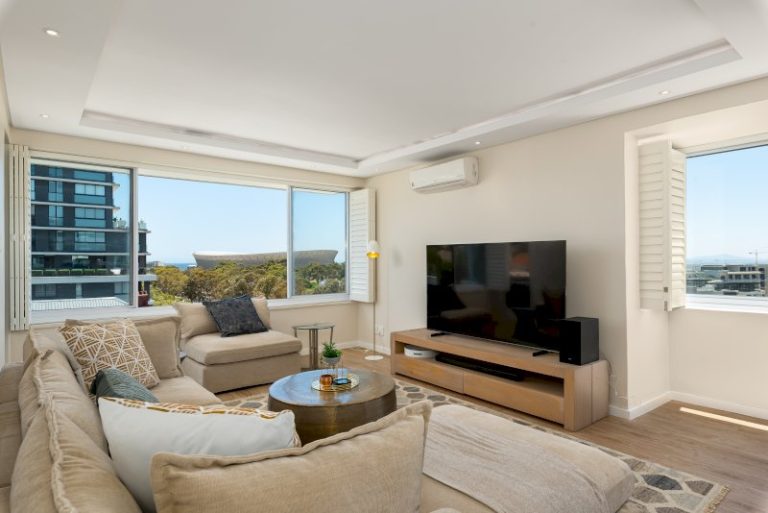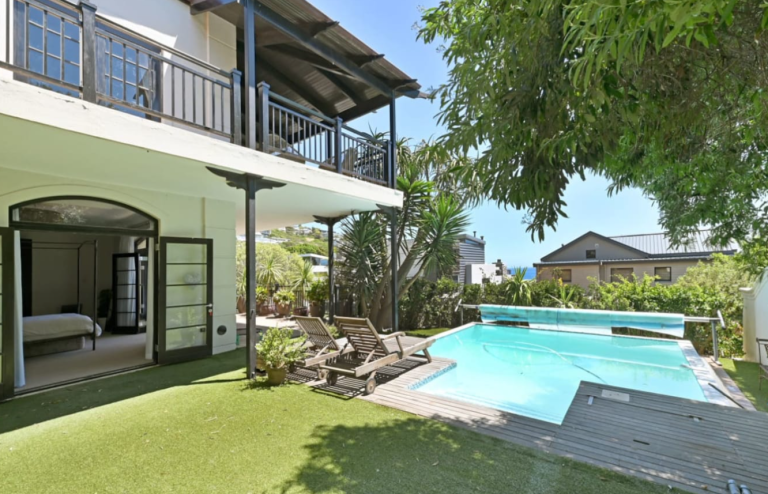


Kloof Street is one of the Cape Town addresses that makes sense the moment you start walking it. It sits in the Gardens side of the City Bowl, running up the slope beneath Table Mountain and connecting a dense mix of cafés, restaurants, bars, boutiques and everyday city life. For travellers, that combination is useful: it is central without feeling anonymous, lively without being purely nightlife-driven, and compact enough to explore in a few unhurried blocks.
If you are planning time in the city centre and want a street with its own rhythm, Kloof Street is a strong place to begin. It works for breakfast, for a long lunch, for an early evening drink, and for a base that lets you move easily between the city, Table Mountain and nearby neighbourhoods such as the lower slopes of Tamboerskloof and the wider City Bowl.
The best way to understand Kloof Street is not as a single attraction, but as a live urban corridor. It changes block by block, with historic façades, apartment buildings, small retailers, creative offices and hospitality venues sharing the same street. That gives it a more local feel than a polished shopping precinct. It is also one of the more straightforward streets in central Cape Town to browse on foot.
Introduction to Kloof Street: The Pulse of the City Bowl
Where to stay: Chic New York Style Loft — View Chic New York Style Loft
Kloof Street is located in the Gardens area of Cape Town, just above the central city grid and close to the foot of Table Mountain. In practical terms, that means it sits between the working heart of the City Bowl and the residential streets that rise towards the mountain. It is close enough to the city centre to be convenient, but high enough to feel slightly removed from the busiest core.
For visitors, that location matters because it places several useful Cape Town experiences within a short walk or short ride. You are near dining, shopping and nightlife, but also within reach of the mountain, the Company’s Garden, the museum district, and other city-centre neighbourhoods that reward slow exploration.
Kloof Street’s appeal lies in variety. You will find places to have coffee in the morning, browse for design-led homeware or clothing, stop for a casual meal, and return later for wine, cocktails or a more atmospheric dinner. It is not a street that asks you to plan everything in advance. It is better enjoyed by moving slowly, noticing which doors open onto what, and choosing a place that matches the time of day.
The atmosphere is urban and creative rather than glossy. The street has a lived-in feel, with a mix of old and new buildings, visible traffic, pavements that invite short walks rather than long promenades, and a steady flow of people who live, work and socialise in the area. For many travellers, that is exactly what makes it worth visiting.
The Culinary Scene: Where to Eat and Drink
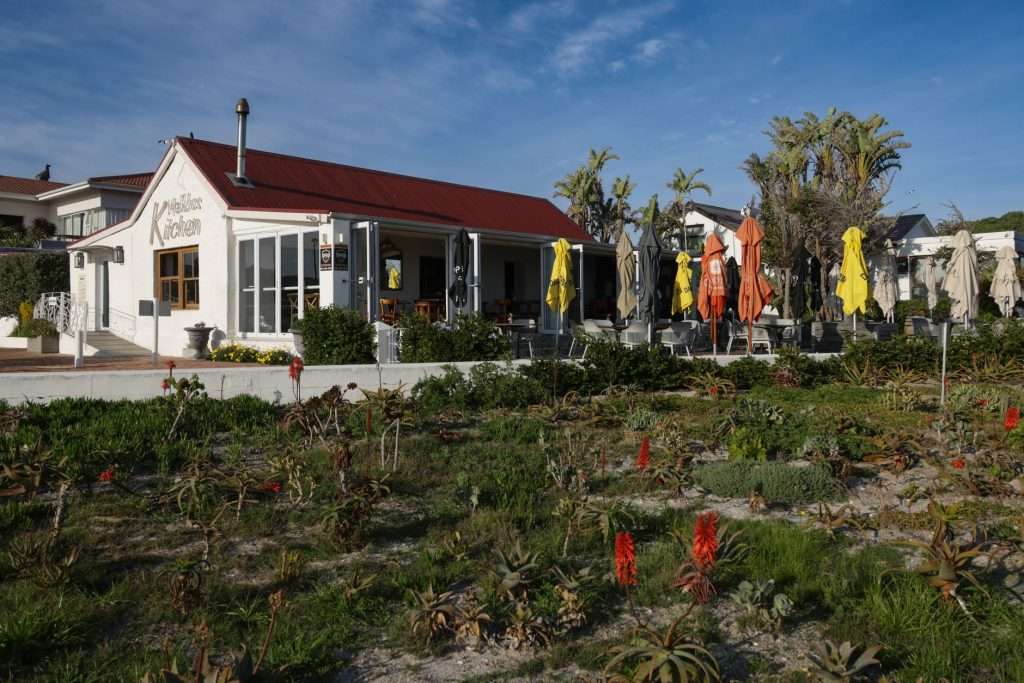
Kloof Street is one of the easiest parts of Cape Town to eat well without leaving a small radius. The dining scene here is broad rather than specialised, which is part of its appeal. You can start the day with breakfast or brunch, stop for a quick coffee, book a proper dinner, or drift into a bar later in the evening.
If you are searching for kloof street restaurants, the most useful way to approach the strip is by mood rather than by single “best” venue. Some places lean casual and everyday, others are better for date nights or a more considered meal, and a few are built around drinks and small plates rather than full dinners. Because Cape Town’s hospitality scene changes quickly, it is worth checking current menus and operating status before you go.
Cafés are a major part of the street’s identity. The area has the kind of coffee culture that supports both a fast takeaway and a longer sit-down. If your goal is a relaxed morning, Kloof Street works well for an unhurried coffee stop before heading towards the mountain, the city centre or a museum visit. For travellers comparing neighbourhoods, this is one reason people often put kloof street cafes on the same shortlist as other City Bowl breakfast spots.
Lunch on Kloof Street tends to be practical and flexible. You will find venues that suit a solo traveller, a pair of friends, or a larger group looking for somewhere central. Because the street draws both locals and visitors, the best options usually balance easy access with a strong enough sense of place to feel like more than a generic city meal.
By evening, the tone changes. Bars and dining rooms become more prominent, and the street can feel especially appealing for a plan that begins with dinner and ends with a drink nearby. If your ideal evening is compact and walkable, Kloof Street is one of the areas in Cape Town where that is genuinely possible. For travellers interested in kloof street bars, the street works best as part of a wider City Bowl evening rather than as a single-purpose nightlife strip.
When comparing Kloof Street with Bree Street and Long Street, the differences are fairly clear. Bree Street is often the cleaner comparison if you want a similar mix of restaurants, cafés and urban strolling, but with a slightly different energy. Long Street is better known historically for nightlife, backpacker traffic and a louder after-dark character. Kloof Street usually sits somewhere between the two: more polished than Long Street, less dining-dense than Bree Street in some stretches, and often a little more residential in feel.
That said, comparisons only tell part of the story. The practical point is that Kloof Street lets you eat well without needing a car, and that matters in a city where good pedestrian convenience is not evenly spread.
What to expect from the food and drink scene
- Breakfast and brunch are strong reasons to come here early.
- Casual lunches are easy to fit between sightseeing stops.
- Dinner ranges from relaxed to more polished, depending on the venue.
- Drinks are a natural end point to an evening in the City Bowl.
- Variety is the point: the street is useful because it offers options, not because it specialises in one single dining style.
Boutiques, Design and Local Shopping
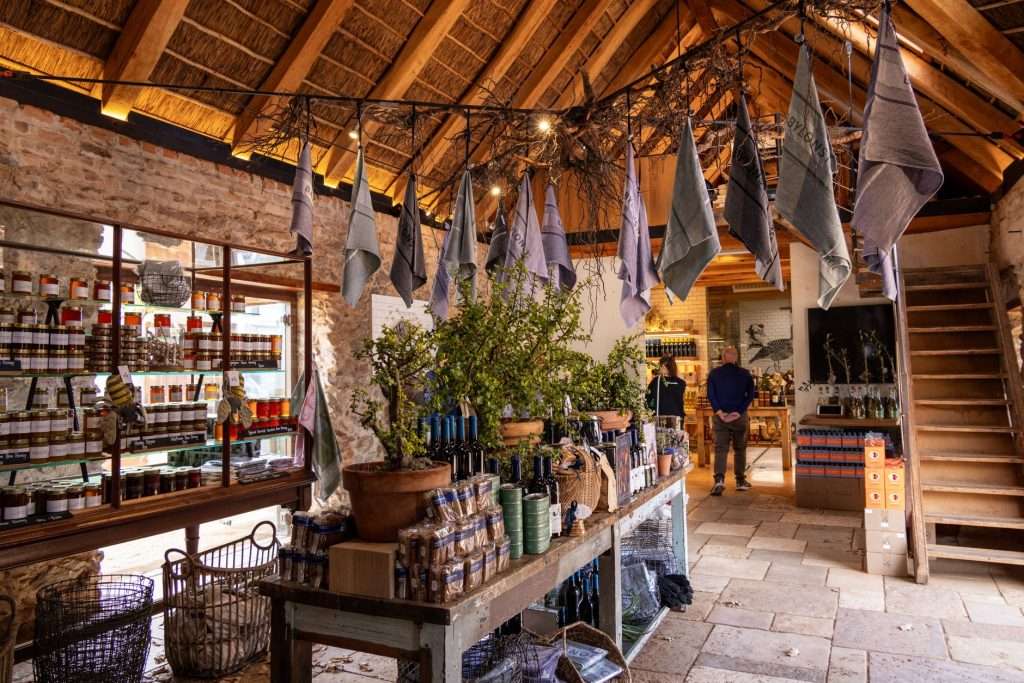
Shopping on Kloof Street is less about large-format retail and more about browsing independent businesses. If you are interested in kloof street shopping, this is where the street feels most distinctly local. The appeal lies in small boutiques, design-led stores, homeware, fashion, gifts and galleries or creative spaces that reward a slower look.
For visitors, this makes Kloof Street useful even if you are not planning a major shopping session. It is the sort of place where you might pop into a shop for one thing and leave with a better sense of Cape Town’s creative economy. Many of the businesses here feel independent rather than chain-led, which gives the street personality and keeps the browsing experience varied.
The surrounding area also supports a broader design-and-lifestyle circuit. Kloof Street connects naturally to parts of the City Bowl where architecture, small studios and creative businesses are part of the streetscape. If you enjoy seeing how Cape Town blends older buildings with contemporary urban use, this is one of the better areas to walk.
Because the street is not built around one enclosed retail node, the experience is best if you allow time to wander. Look up as much as you look in shop windows. The buildings themselves help shape the character of the street, and the street-level rhythm is part of the appeal.
Atmosphere and Architecture: Walking the Strip
Walking Kloof Street gives you a good cross-section of the City Bowl. You will notice gradients, older building fronts, apartment blocks, traffic movement, mountain light and the constant reminder that Table Mountain rises very close to the urban edge. That backdrop is one of the reasons the street photographs well, but it is also part of the lived experience. The mountain is not just scenery here; it shapes the way the street feels.
The walkability of Kloof Street depends on what you want to do. If your aim is a short, interesting city walk with café stops, the street works very well. If you want a leisurely pedestrian promenade, it is not that kind of place. It is a functioning urban street with traffic, crossings and the usual rhythms of a busy inner city corridor. That said, for travellers who enjoy neighbourhood walking, it is one of the more rewarding stretches in central Cape Town.
The architecture is mixed, which is a strength rather than a flaw. Historic façades sit alongside newer developments, and that contrast reflects how the City Bowl has evolved. The street feels layered rather than curated. You are not walking through a themed district; you are moving through a real part of the city.
Street art and visual detail can also appear in the wider area, especially when you look beyond the obvious shopfronts and notice side streets, signage and building textures. This is a place to keep your camera ready, but not because every corner is staged for visitors. It is interesting because it is ordinary city life with enough style and density to keep your attention.
How Kloof Street feels at different times of day
Where to stay: Bold Afro-Chic Retreat with Designer Flair — View Bold Afro-Chic Retreat with Designer Flair
- Morning: coffee, breakfast and a calmer pace.
- Midday: shopping, lunch and city errands.
- Late afternoon: more movement, more energy and better light for walking.
- Evening: dinner, drinks and a stronger social atmosphere.
Practical Tips for Visitors
If you are planning to spend time on Kloof Street, a few practical points will help. First, it is one of the more walkable parts of the City Bowl, but it still deserves normal city awareness. Stay alert to your surroundings, especially after dark, and choose your route with common sense rather than assuming every block feels the same.
Parking can be limited and variable, so do not assume you will find an easy space right outside the venue you want. If you are driving, factor in a little extra time. Depending on where you are heading and the time of day, ride-hailing or walking from nearby accommodation may be simpler than trying to park repeatedly.
Public transport access in central Cape Town changes over time, so it is best to confirm current MyCiTi or other local transport connections before you rely on them for a specific journey. If you are staying in the City Bowl or nearby Gardens, many travellers find that a combination of walking and ride-hailing is the simplest approach for a Kloof Street visit.
As for safety, use the same judgement you would in any busy inner-city area. Stay on well-used streets, avoid wandering while distracted at night, and be aware that the atmosphere can change from one block to the next. The street is popular and well used, but no central-city area should be treated casually.
For travellers who are deciding where to stay, Kloof Street is a strong base if you want to be able to walk to cafés, dinner, and nearby City Bowl sights. It is especially useful for short stays when you want to make the most of central Cape Town without spending much time in transit.
If your trip is focused on the city centre, Table Mountain, galleries, restaurants and a walkable urban rhythm, Kloof Street is one of the best neighbourhood streets to have on your radar. It is not just somewhere to pass through. It is a street that rewards staying a little longer.
For travellers who want a practical, centrally located base rather than a waterfront resort or a purely residential suburb, this part of Gardens and the wider City Bowl offers a good balance of convenience, character and access to the rest of Cape Town.