

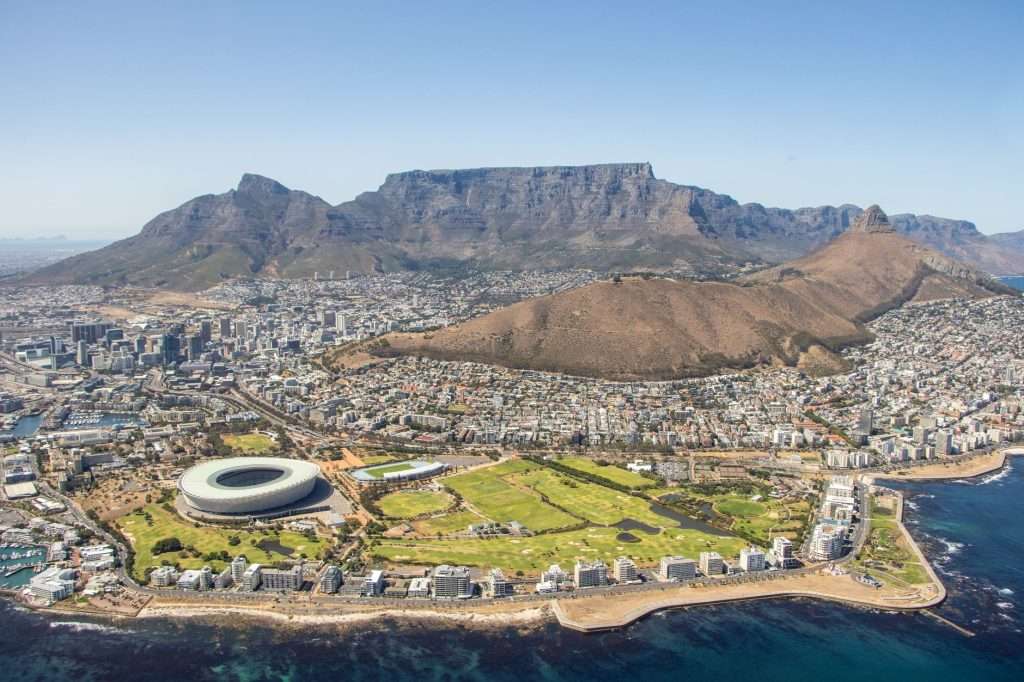
If you are planning to come to Cape Town for the first time, the most useful thing to know is this: the city is not a single, compact sightseeing zone. It is a place shaped by mountain, sea, peninsula, wine country and neighbourhoods that each feel distinct. That is part of the appeal, but it also means a Cape Town trip works best when you decide early what kind of journey you want.
Some visitors come for a short city break with Table Mountain, the V&A Waterfront and a few well-chosen meals. Others use Cape Town as a base for beaches, Winelands tastings, scenic drives and longer South Peninsula outings. The trick is not to try to do everything. It is to understand the city’s geography and build around it.
This guide is designed as a grounded first-step overview: when to visit, where to stay, what to prioritise and how to think about getting around. It is for travellers who want practical orientation before they book.
Choosing Your Season: When to Come to Cape Town
Where to stay: The Green House — View The Green House
There is no single best time to visit Cape Town for everyone. The right season depends on whether you care most about beach weather, fewer crowds, walking conditions, lower-season pace or combining the city with the surrounding wine country and coastline.
In broad terms, Cape Town’s summer months are the most popular for good reason. Days are generally warmer and drier, and the city’s beaches, outdoor dining spots and coastal routes are at their most appealing. This is the season for long evenings, energetic public spaces and the sort of light that makes the mountain and the sea feel especially close together.
Winter, by contrast, is slower and often more atmospheric. It is the season when you are more likely to plan around indoor museums, restaurants, wine estates and shorter bursts of outdoor time between rain fronts. It can still be a rewarding time to come to Cape Town, especially if your focus is on good food, quieter roads and a more local-feeling pace.
Shoulder periods are often the easiest compromise for first-time visitors. They can offer milder conditions, less pressure on accommodation choices and a more balanced trip if you want both city and nature without the full summer rush.
When deciding on timing, think about your priorities rather than chasing an abstract “perfect” month. If you want beach time and a lively atmosphere, lean towards summer. If you want calmer sightseeing and do not mind variable weather, winter and the shoulder months can work very well.
How the weather affects your trip
Cape Town’s weather can change quickly, and the city’s famous mountain can create a sense of microclimate even within a single day. That matters when you are planning hikes, coastal outings and cableway visits, because a clear morning does not guarantee a clear afternoon.
It is sensible to build flexibility into your itinerary. Put your most weather-dependent plans early in the trip if you can, then leave room to swap things around. That approach matters more here than in many other cities.
Where to Base Yourself: Neighbourhoods Explained
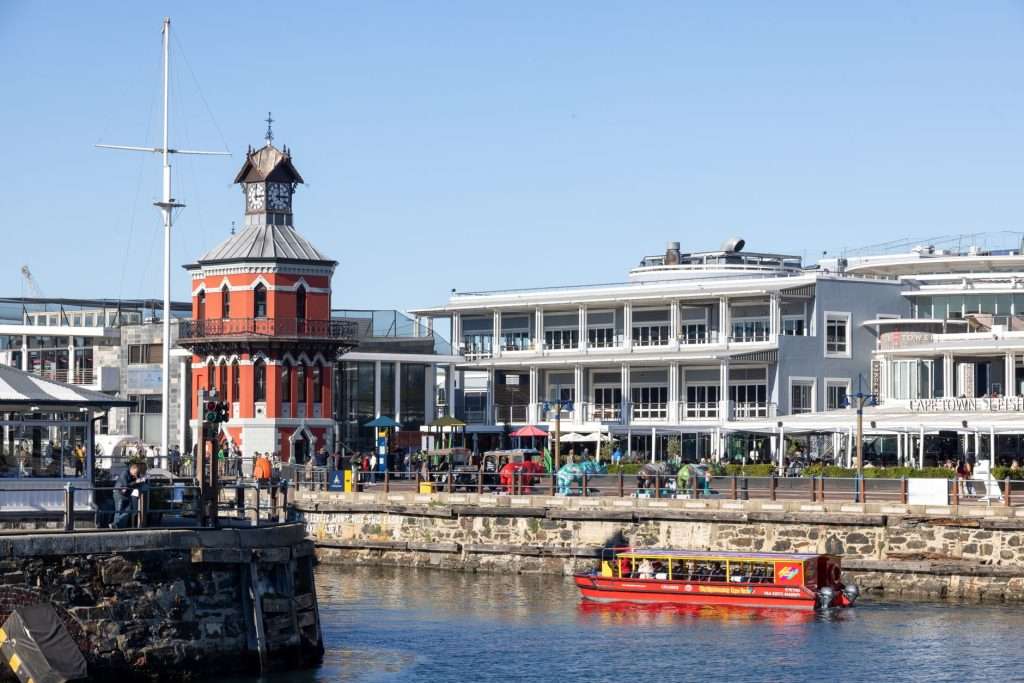
For first-time visitors, location shapes the whole trip. Cape Town is spread across a city bowl, a coastline and a peninsula, so where you stay changes how much time you spend in traffic, how easy evenings feel and what kind of atmosphere you wake up to.
If you want a straightforward first trip, the most practical bases are usually the central city, the V&A Waterfront, Sea Point, Mouille Point or Camps Bay. Each offers a different balance of scenery, convenience and pace.
The V&A Waterfront is the easiest choice for visitors who want a polished, walkable base with shops, restaurants and major attractions close at hand. It is particularly convenient if you want a low-friction first stay and do not want to think too hard about logistics.
Sea Point works well if you want a more lived-in coastal neighbourhood feel. It is active, practical and well positioned for the Atlantic Seaboard. For many travellers, it offers one of the best balances between convenience and everyday atmosphere.
Mouille Point tends to suit visitors who want a quieter waterfront-style base with easy access to the promenade and broad views. It is close to the city’s main attractions without feeling as busy as some of the more obvious visitor hubs.
Camps Bay is the most postcard-ready Atlantic Seaboard option. It is a strong choice if you want beach access, sunset views and a holiday feel, but it can be less central if your plans involve a lot of city movement.
The City Bowl is the best fit if you want to feel close to museums, dining, historic streets and the mountain. It suits visitors who are comfortable with a busier urban environment and want to be in the middle of the action.
There is no universal “best” area, but there is usually a best area for a specific trip style. If you are unsure, think about whether you want your base to feel coastal, urban or in between.
For a first visit, it is generally worth prioritising ease over novelty. A convenient location will do more for your trip than a more dramatic setting that is awkward to reach.
For a deeper breakdown of the trade-offs between these areas, see our where to stay in Cape Town for first-time visitors guide.
What the city layout means in practice
Where to stay: Protea Views Apartment — View Protea Views Apartment
Cape Town’s geography explains much of its travel logic. Table Mountain and the city bowl sit in the middle, the Atlantic Seaboard runs along the western side, the peninsula bends southwards, and the Winelands sit inland. That means a “short drive” in Cape Town is not always short in practical terms, especially when your day crosses from one zone to another.
It helps to group your days by area. Do not plan a Table Mountain morning, a peninsula lunch and a Winelands dinner as though they were all in one compact cluster. They are not.
Essential Experiences for a First-Time Trip

If this is your first time in Cape Town, you do not need a long list. You need a clear shortlist of experiences that explain the city properly.
Table Mountain is the obvious starting point because it defines the skyline and gives the city its sense of scale. Whether you go up by cableway or focus on viewpoints from below, it is one of the places that gives Cape Town its identity.
The V&A Waterfront is useful not because it is the most “authentic” part of the city, but because it gives you an easy first read on Cape Town’s visitor side. It is a practical place to orient yourself, eat, browse and connect to other parts of the city.
The Atlantic Seaboard is where Cape Town’s coastal glamour is easiest to understand. A drive or walk through Sea Point, Clifton and Camps Bay shows how close the city can feel to the ocean, even while mountain ridges rise behind it.
The Cape Peninsula belongs on any serious first itinerary if you have the time. It is not just a scenic excursion; it is one of the best ways to understand how much variety exists within the broader Cape Town area.
Kirstenbosch National Botanical Garden is one of the city’s best answers to the question of how to spend a gentler day outdoors. It gives you a different relationship to the landscape: less dramatic than the mountain, but deeply rooted in place.
The Cape Winelands are worth including if your trip allows for it. They add a slower rhythm to a Cape Town visit and help balance city time with vineyard scenery and food-led outings.
The point of a first trip is not to collect famous names mechanically. It is to experience the city through a few settings that reveal its different moods: mountain, coast, garden, waterfront and inland wine country.
If you want ideas that cost little or nothing, the city also rewards simple outings; our best free things to do in Cape Town guide is a useful companion.
For more scenic route planning, the best scenic drives around Cape Town article is a natural next step after the peninsula overview.
How many days you need
For a first trip, a short stay can work if you keep your expectations realistic. But if you want to include the city, the mountain, a coastal day and at least one excursion beyond the centre, more time will always help.
As a rule of thumb, a very brief visit gives you a snapshot. A longer stay lets Cape Town make sense. The city rewards travellers who leave room for weather shifts, slow meals, scenic detours and an extra outing or two.
If your time is limited, concentrate on one or two bases rather than trying to move around too much. Cape Town is better enjoyed in layers than as a checklist.
Practical Planning Tips for First-Time Visitors
Good planning does not mean over-planning. In Cape Town, it means making a few decisions early so the trip feels smoother once you arrive.
Group your days by neighbourhood. This is the single most useful planning habit for first-timers. It reduces travel time and makes the city feel more coherent.
Leave flexibility for weather. Mountain views, coastal walks and some outdoor attractions are best approached with a bit of spare time in the plan.
Choose accommodation for convenience, not just style. A well-located base can save more energy than a more glamorous but awkward one.
Decide early whether you want a car. A self-drive trip suits some itineraries very well, especially if you plan to explore the peninsula or spend time beyond the city centre. If your plans are mostly central, coastal and Waterfront-based, you may not need to rely on driving for every movement.
Use the city’s major zones to simplify decisions. Think in terms of City Bowl, Atlantic Seaboard, peninsula and Winelands rather than trying to judge every suburb in isolation.
Keep your first itinerary balanced. Cape Town can tempt visitors into squeezing in too much. A better first trip usually includes a mountain day, a coastal day, a slower garden or wine day, and time to simply sit somewhere with a view.
When you come to Cape Town, the most rewarding approach is usually calm and selective. The city is at its best when you allow it to unfold by area, by weather and by pace, rather than trying to force it into one neat template.
For first-time visitors, that is the real planning lesson: Cape Town is not difficult, but it does ask you to be deliberate.
More useful local context lives in our Cape Town slang guide, which is handy if you want a bit more confidence with everyday language.