

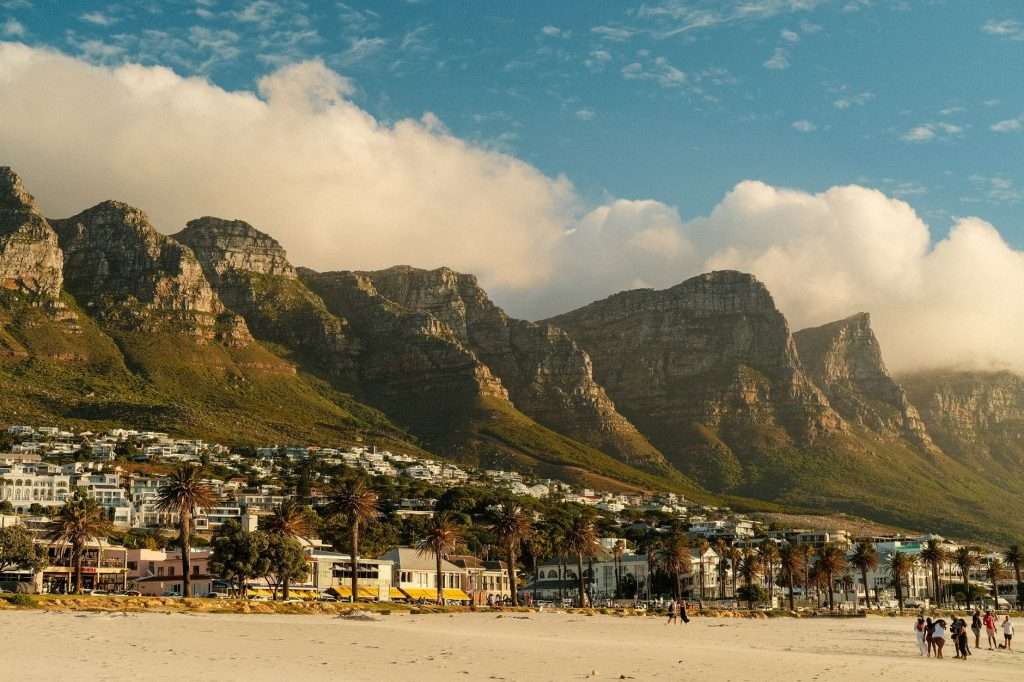
Camps Bay is easy to admire and slightly harder to read well. It has the kind of setting that does half the work for it: a long white beach, the Atlantic in front, and the Twelve Apostles rising behind. That combination makes it one of the most visited parts of Cape Town, but it also means the experience changes through the day. A calm morning at the tidal pool is very different from a windy afternoon on the sand, and a sunset drink on Victoria Road is not the same as a quiet walk towards Bakoven.
If you are looking for the best things to do in Camps Bay, the trick is to mix the obvious with the practical. The beach is worth your time, but so are the coastal paths, the mountain-edge walks, the tidal pool, and the dining strip that comes alive late in the day. Camps Bay works best when you plan around light, wind and crowds rather than trying to force it into a one-size-fits-all beach outing.
1. Master the Coastline: Beaches, Pools & Surf
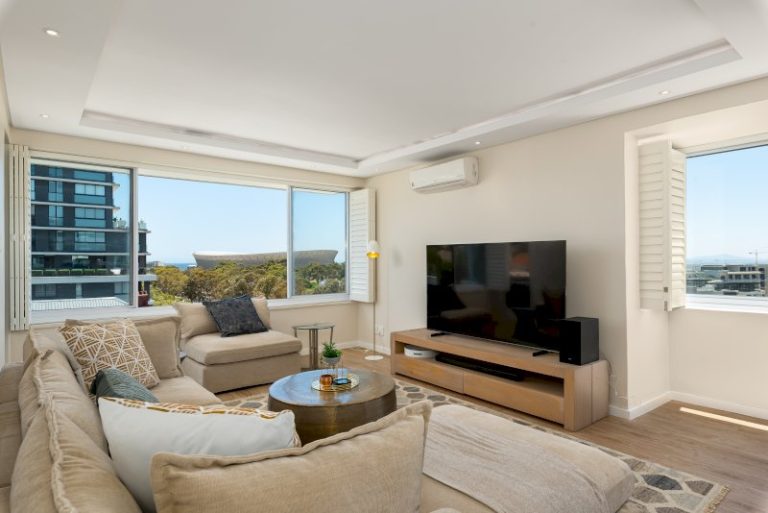
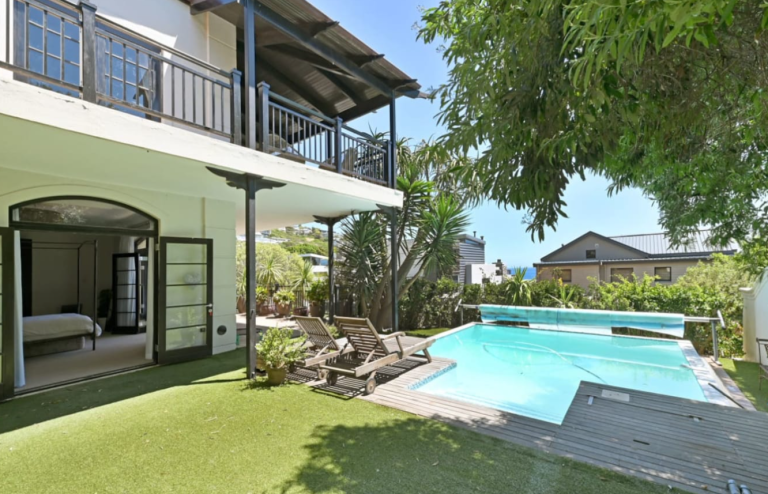
Where to stay: Castle Peak — View Castle Peak
Camps Bay Beach is the neighbourhood’s headline act for good reason. It is broad, scenic and immediately photogenic, with the ocean on one side and Table Mountain National Park’s high ridges on the other. It is a place to spread out, watch the light shift over the bay, and enjoy a classic Cape Town beach scene. Just do not expect tropical-water swimming. The Atlantic is bracingly cold, even in summer, so think of this as a beach for refreshing dips rather than long, leisurely floats.
For many travellers, the Camps Bay Tidal Pool is the more forgiving option. It offers a calmer place to swim than the open beach, which makes it especially appealing when the surf is lively or the breeze picks up. It is also one of the better low-effort activities in the area: easy to understand, scenic, and suitable for a slower beach day. If you want to balance a busy Cape Town itinerary with a straightforward swim stop, this is a sensible place to start.
If you prefer somewhere a little quieter, keep going along the coast rather than staying only on the central strip. Bali Bay and Bakoven feel more tucked away than the main beach, with a rockier, more intimate shoreline. They are not a replacement for Camps Bay Beach so much as a different mood altogether. On calm days, that extra bit of walking pays off with more space and a less compressed beach experience.
Best for: a classic beach stop, a scenic swim, tidal-pool time, and watching how the Atlantic coast looks at different tides and times of day.
2. Hit the Trails: Hikes Above the Suburb
One of the strengths of Camps Bay is that you do not have to choose between sea level and the mountain edge. The suburb sits directly below some of Cape Town’s best-known walking terrain, so a beach day can easily become a walk with views.
The most accessible starting point for many visitors is the Pipe Track, a scenic contour path that runs along the mountainside above Camps Bay. It is not a dramatic summit push, but that is part of the appeal. The walk gives you long views across the Atlantic while keeping the terrain relatively manageable compared with more demanding Table Mountain routes. It is a good choice when you want fresh air and perspective without committing to a full-day hike.
If you are after something more energetic, the surrounding trails in Table Mountain National Park offer more ambitious options. These routes can be more exposed and more demanding, so they are better suited to fit visitors who are properly prepared and comfortable with mountain walking. In Camps Bay, the key is to be honest about your energy levels and the weather. A clear morning can look very different by afternoon, and wind can change the feel of a trail quickly.
Best for: walkers who want a mountain-sea combination, early starts, and those moments when Camps Bay’s geography makes the neighbourhood feel bigger than its beachfront strip.
3. Settle in for Sundowners and Dining Along Victoria Road
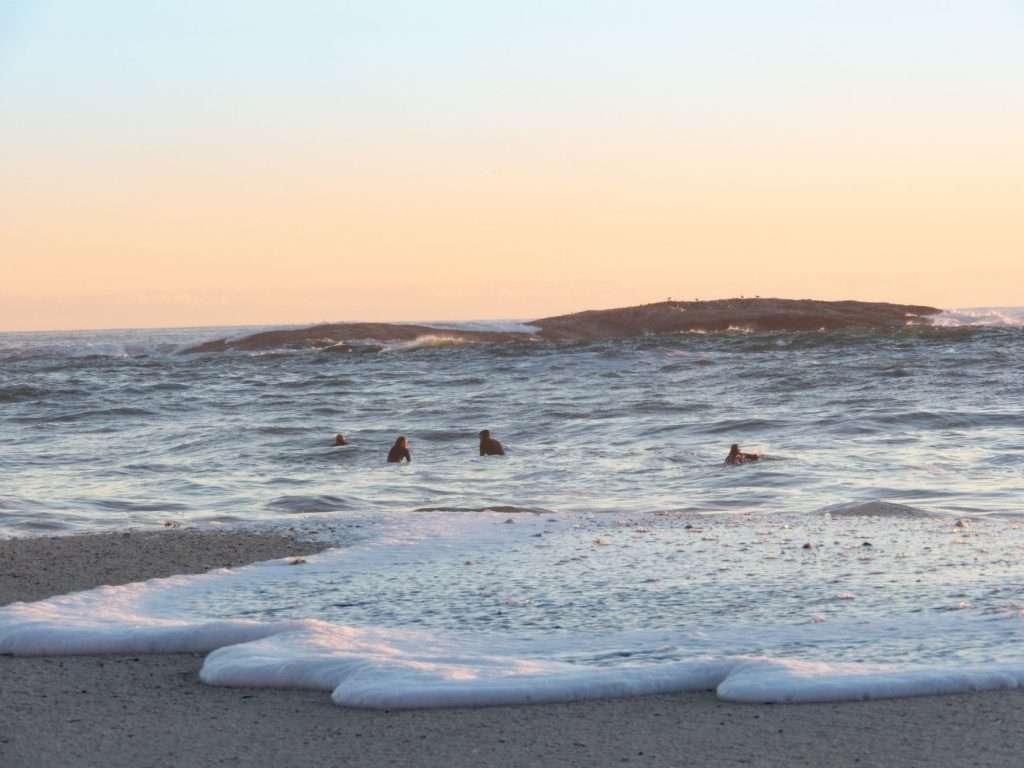
The Victoria Road strip is where Camps Bay shifts from daytime beach neighbourhood to evening social scene. As the light drops, the restaurants and terraces along the road become some of the most sought-after places in the area. The attraction is not only the food itself, but the setting: you are close to the surf, looking straight out to sea, with the sunset often becoming the main event.
This is a good neighbourhood for a long, unhurried final stop after a day on the beach or a walk above the coast. The dining scene ranges from casual coffee and lunch spots to polished seaside restaurants, but the most useful way to approach it is to think in terms of timing and view rather than chasing a single “best” venue. If you want a quieter atmosphere, go earlier. If you want the full Camps Bay social scene, plan around sunset and expect company.
For travellers building a day around food, Camps Bay can work very well as a breakfast, lunch or sundowner destination. Coffee before a walk, seafood after the beach, or drinks at golden hour all make sense here. Just remember that the most obvious ocean-facing tables are the ones everyone wants, especially in peak season. If you are hoping for a relaxed meal rather than a rushed one, arriving before the prime sunset rush usually helps.
Good to know: wind and weather matter here as much as the menu. A still evening can feel magical; a blustery one can make outdoor seating less pleasant than you expected.
4. Explore Beyond the Main Strip: Bakoven and Secret Coves
Many visitors stop at the main beach, but one of the best ways to understand Camps Bay is to keep walking westwards towards Bakoven. The coastline becomes more broken and rocky here, and the mood changes with it. Instead of a single broad strip of sand, you get smaller coves, granite outcrops and a more sheltered feel in places.
This part of the coastline is useful if you want a break from the busier centre of Camps Bay without leaving the neighbourhood entirely. It is also a better fit for slow exploration than for a tightly scheduled outing. You can wander, pause, look back towards the main beach, and let the area feel less polished and more coastal. That contrast is part of what makes Camps Bay interesting: it is not only a postcard beach, but a place where the shoreline keeps changing within a short walk.
If you are staying nearby, Bakoven also gives you a quieter base from which to enjoy the Atlantic Seaboard. The area still feels connected to Camps Bay, but it is less exposed to the constant movement of the main strip.
Best for: a slower coastal walk, quieter views, and travellers who want a less obviously touristy pocket of the neighbourhood.
Practical Tips for Visiting Camps Bay
Camps Bay is straightforward to visit, but it rewards a little planning. During peak summer, parking can be frustrating, especially close to the beachfront and along Victoria Road. If you are arriving by car, give yourself extra time and do not assume the first spot you see will be the easiest one to use. A short walk from where you park is often worth more than circling repeatedly for a closer space.
Pay attention to car guards and parking arrangements on the day, and keep only the usual essentials visible in the vehicle. As in any busy urban beach area, the common-sense rule is simple: travel lightly, lock up properly, and avoid leaving valuables in plain sight.
Weather matters here more than in many parts of the city. A south-easterly wind can change a pleasant beach plan into a less comfortable one very quickly, especially if you were hoping for a long afternoon on the sand. When the wind is up, the tidal pool, a shorter beach visit, a mountain walk, or a long lunch may be the better use of the neighbourhood.
If you are deciding when to visit, think in layers:
- Morning: best for a calmer beach stop, a walk, or a less crowded start to the day.
- Midday: good for the tidal pool or a short beach visit, especially if you are pairing it with lunch.
- Late afternoon and sunset: ideal for the Victoria Road dining scene and one of the main reasons people come here.
The other practical point is that Camps Bay is best enjoyed on its own terms. It is not a place to rush. The neighbourhood’s appeal lies in its rhythm: beach first, then walk, then dinner, with the mountain and ocean constantly framing the day. If you allow time for that pace, the area feels richer than a quick drive-through stop.
If you are choosing accommodation, staying in Camps Bay or nearby Bakoven makes the most sense when you want easy access to the beach, the restaurant strip and the Atlantic Seaboard scenery without having to commute in and out each time you want a sunset or a swim.
In short: the best things to do in Camps Bay are simple, but timing matters. Swim if the water suits you, walk if the weather allows it, eat with a view if you can, and leave space in your plan for the sunset.