
Constantia is one of Cape Town’s most distinctive neighbourhoods: leafy, spacious and shaped by vineyards, old homesteads, mountain views and a long relationship with wine. It is also more varied than many visitors expect. Yes, the estates matter here, but so do the walking routes, heritage sites, family-friendly stops and quietly polished dining rooms that make Constantia a satisfying place to spend a full day.
If you are looking for the best things to do in Constantia, the smartest approach is to think in layers. Start with one or two wine farms, add a walk or a heritage stop, then leave room for lunch or a long afternoon coffee. Constantia rewards a slower pace, and that is part of its appeal.
Introduction to Constantia: Cape Town’s Historic Wine Valley
Where to stay: Heart of Constantia Winelands — View Heart of Constantia Winelands
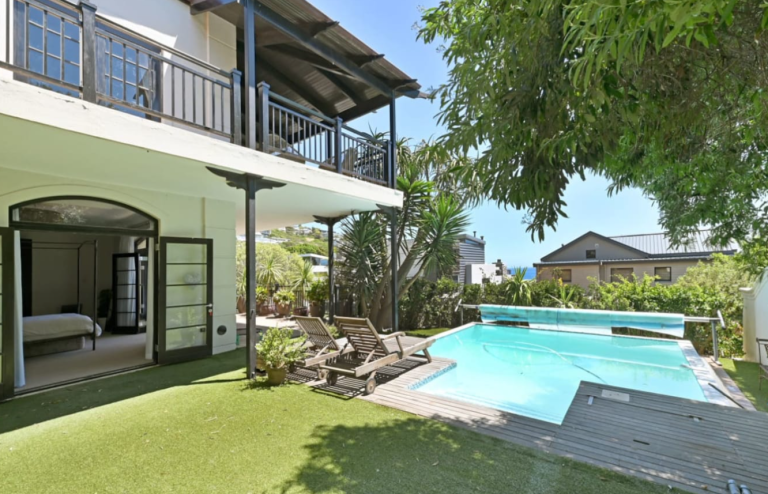
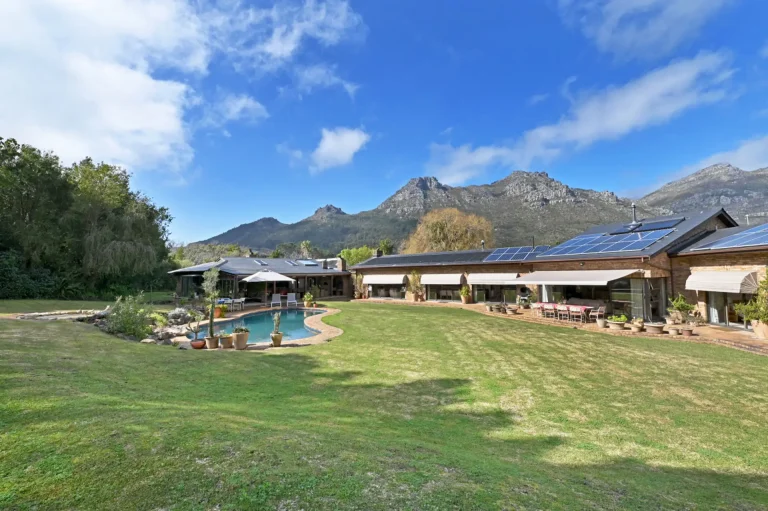
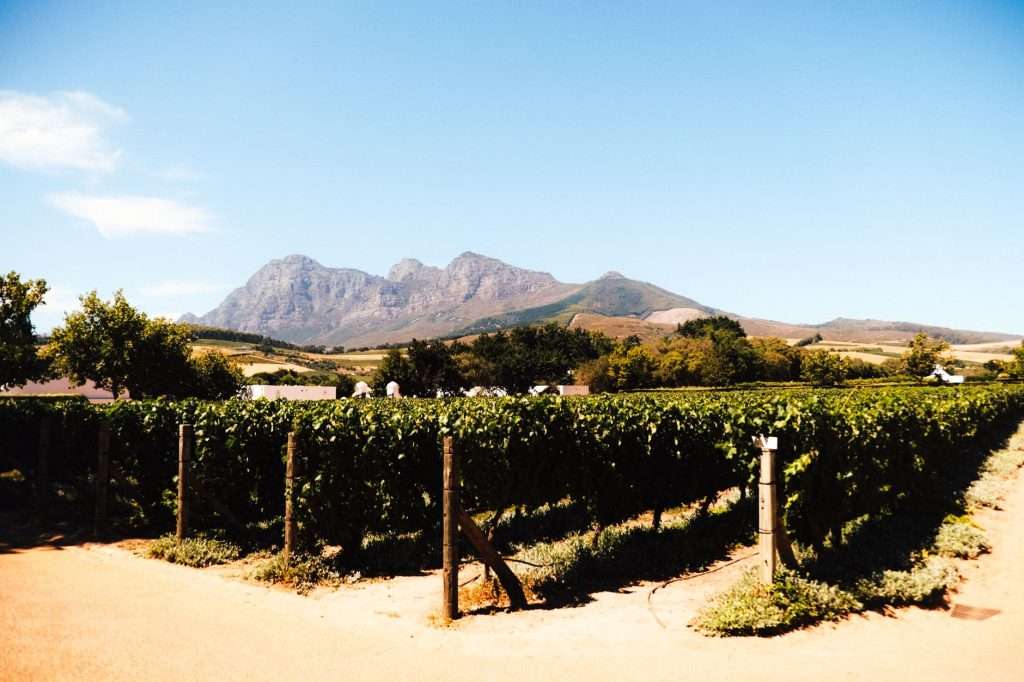
Constantia sits in the Southern Suburbs, beneath the slopes of the Constantiaberg and close to the greenery of Table Mountain National Park. It is one of the oldest wine-producing areas in the country, and that history still shapes the neighbourhood’s character. Oak-lined roads, established estates and large private gardens give it a more settled, rural feel than many visitors expect from Cape Town.
That does not mean Constantia is only for wine drinkers. The area works well for travellers who want a calm base, a scenic lunch, a family outing or a day that mixes outdoor time with good food. If you are planning a broader Cape Town itinerary, Constantia can be an elegant counterpoint to the Atlantic Seaboard or the busy City Bowl.
Tour and Taste at South Africa’s Oldest Wine Farms
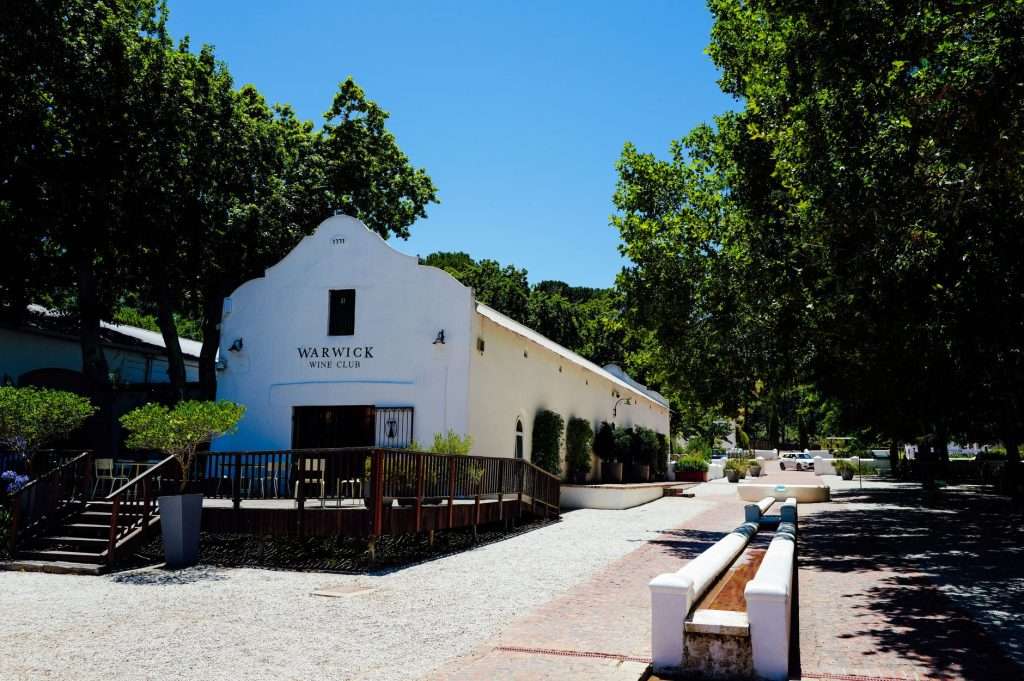
The wine estates are the obvious starting point, but the best visits in Constantia are the ones that feel unhurried. This is not a region to rush through. It is better to choose fewer stops and enjoy them properly.
Groot Constantia Wine Estate
Groot Constantia is the name most closely associated with Constantia’s wine history, and for good reason. It is widely regarded as South Africa’s oldest wine estate and combines cellar-door tasting with a strong sense of place. Even if you are not focused on tasting, the estate is worth including because it connects the present-day valley to its historical roots.
It is a sensible first stop for travellers who want the classic Constantia experience in one place: wine, heritage architecture and a landscape that immediately explains why this valley became important.
Buitenverwachting
Buitenverwachting is one of Constantia’s most refined estate settings, with a reputation for elegant surroundings and a quieter atmosphere than some of the busier names. It suits visitors who prefer a more composed tasting or lunch stop, rather than a high-energy crowd.
If your ideal Constantia outing involves sitting outside for a while and letting the valley set the pace, this is the kind of estate to prioritise.
Steenberg Wine Estate
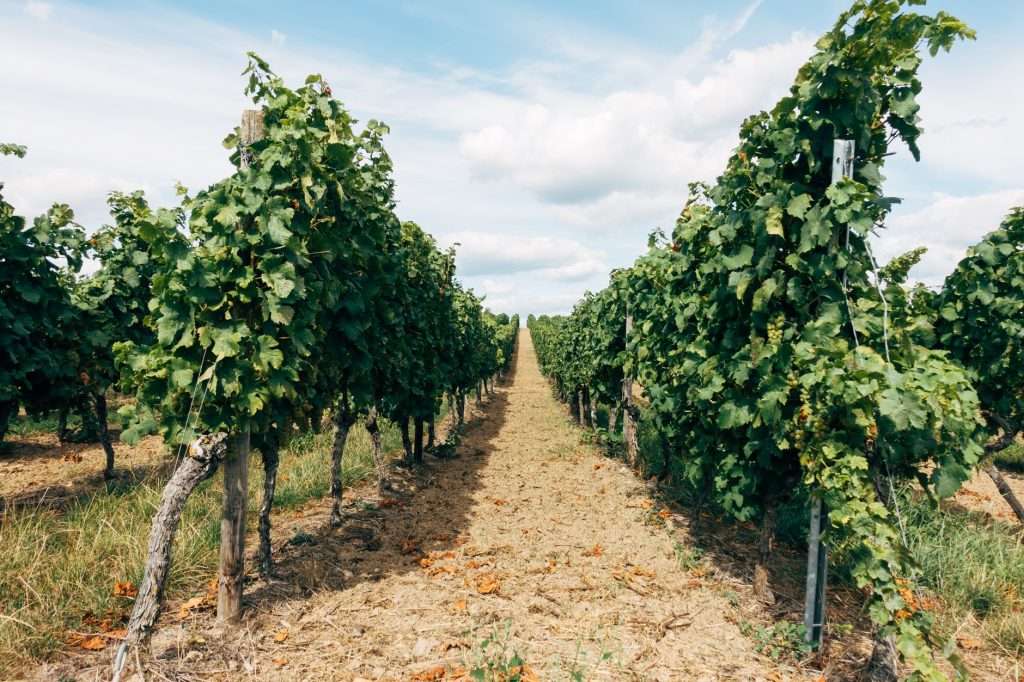
Steenberg combines wine, hospitality and landscape in a way that makes it appealing to visitors who want a polished, all-round experience. It is often a strong choice for travellers who would like to pair a tasting with lunch or a longer, more leisurely visit.
Steenberg is also useful for visitors who want Constantia to feel like a full day out rather than a quick tasting stop.
Eagles’ Nest Winery
Eagles’ Nest offers a slightly different feel from the grand estate names. It is a good option if you want to broaden your Constantia wine-farm list and include something that feels a little less formal.
For many travellers, the best way to approach Constantia is to mix one of the better-known estates with a smaller or quieter tasting stop. That gives the day more variety and avoids estate fatigue.
Constantia Uitsig
Constantia Uitsig is useful for travellers who want wine, food and a pleasant setting without building the day around a single formal tasting room. It fits neatly into a relaxed itinerary and works well if you want to combine a wine-farm visit with a meal or a gentle stroll nearby.
When planning wine farms in Constantia, it helps to decide what you actually want from the stop. Some estates are better for a history-focused visit, others for lunch, and others for a more relaxed tasting in attractive surroundings.
Walk and Hike the Constantia Greenbelt and Trails
One of the best things to do in Constantia Cape Town is to spend time outside. The area is unusually green by Cape Town standards, and the Constantia Greenbelt offers a more peaceful way to experience the suburb than staying behind the wheel or moving from one tasting room to the next.
Walking here is especially rewarding if you are looking for a gentler day. The greenbelt is not about dramatic mountain summits; it is about quiet routes, trees, birdlife and the feeling of being in a residential landscape that still leaves space for nature.
Constantia Greenbelt walks
The Constantia Greenbelt is ideal for travellers who want a low-key outdoor break between meals or tastings. It is also one of the more family-friendly ways to experience the area, because it allows for a flexible outing rather than a fixed route.
If you are building a day around wine farms, a walk in the greenbelt is a practical way to break it up. It keeps the itinerary from becoming too seated and gives you a different sense of the neighbourhood.
Silvermine Nature Reserve
Silvermine Nature Reserve extends the outdoor appeal of the area for travellers who want something more active. It belongs in the Constantia conversation because it sits within easy reach of the valley and gives you a proper nature experience without needing to leave the southern mountain landscape behind.
Silvermine is worth considering if your idea of a good day includes hiking, fynbos scenery and a more rugged counterbalance to the polished wine estates below.
For visitors who are short on time, the best strategy is not to try to do all the outdoor options. Choose either a greenbelt walk or a nature reserve outing, then keep the rest of the day light.
Indulge in Constantia’s Renowned Dining Scene
Constantia has one of Cape Town’s most respected suburban dining scenes, with restaurants that fit the area’s calm, well-kept character. The food options are part of what makes it easy to spend a whole day here. You do not need to leave for the city centre once the wine tasting is done.
For travellers searching for Constantia restaurants, the useful distinction is between estate dining and standalone dining. Estate restaurants often work best for long lunches or scenic settings, while the neighbourhood’s finer restaurants suit a more deliberate lunch or dinner stop.
Lunch on a wine estate
A vineyard lunch is one of the most natural ways to experience Constantia. It allows you to enjoy the valley without trying to pack everything into a short visit. If you are already tasting wines, lunch on the same estate can save time and reduce the need for extra transport.
That said, it is worth checking current bookings and service details before you go, especially if you are planning a weekend visit or travelling with a group.
Destination dining
Where to stay: Steenberg Luxury Hotel — View Steenberg Luxury Hotel
Constantia also has a reputation for refined dining that goes beyond simple estate lunches. This is the neighbourhood for a slower, more considered meal where the setting matters as much as the menu.
If your plans include a special meal, Constantia works well for anniversaries, relaxed celebration lunches and dinners where you want to stay somewhere green and quietly upscale rather than moving into the busier parts of Cape Town.
A useful rule of thumb: if you are visiting Constantia for one meal only, make it count. Book the place that suits the kind of day you want, rather than choosing purely on proximity.
Explore Local History and Heritage
Constantia’s heritage is one of the main reasons it stands apart from other Cape Town neighbourhoods. The area is not just scenically attractive; it is historically significant. That gives it a depth that many wine-focused suburbs lack.
Groot Constantia is the most obvious heritage stop, but the broader area also rewards visitors who notice the older homes, established grounds and sense of continuity in the landscape. Constantia’s history is not presented as a museum-only experience. It is built into the roads, the estates and the surviving sense of a cultivated rural valley.
If you are interested in how Cape Town developed beyond the central city, Constantia offers an instructive contrast. It shows how wealth, farming and land use shaped the southern side of the city over time.
For a first-time visitor, the most useful way to approach Constantia’s heritage is to fold it into the day naturally: start with a historic estate, have lunch nearby, then end with a walk or a slow drive through the area.
Family-Friendly Activities and Markets
Constantia can work very well for families, especially if the day is structured sensibly. Not every stop needs to be a formal tasting room or a lengthy lunch. The neighbourhood’s open spaces, relaxed estate grounds and convenient retail centres make it easier to build a day that suits different ages.
Constantia Emporium is useful when you need a practical pause in the day. It is not the most scenic part of the suburb, but it helps with coffee, supplies or a simpler stop between larger attractions.
For families, this matters because it adds flexibility. You can combine one wine estate, one outdoor stop and a low-effort lunch or shopping break without making the day feel overplanned.
If you are travelling with children, look for open space rather than overloading the day with tastings. The appeal of Constantia is that it allows for a calmer itinerary than many other Cape Town districts.
Markets and seasonal events can also add variety, but these change over time, so they are best checked separately when you are planning specific dates.
Practical Travel Tips for Visiting Constantia
Constantia is easiest to enjoy when you treat it as a neighbourhood rather than a quick stop. The roads are leafy and spread out, and many of the best experiences are not clustered tightly together.
Getting around: A car makes the day simpler, especially if you want to visit more than one wine estate and include a meal. If you are not driving, it is still possible to enjoy Constantia with a planned transfer or a focused visit to one or two stops rather than trying to cover everything.
Timing: Allow more time than you think you need. Constantia is not about sightseeing in a hurry. The area is at its best when you leave space between activities.
Booking: For wine estates and well-known restaurants, booking ahead is sensible. Availability and service details can change, so check current information before heading out.
What to combine: The best day in Constantia usually mixes three elements: one heritage or wine stop, one meal, and one outdoor or family-friendly activity. That balance keeps the day from becoming repetitive.
Without a car: If you are relying on transport, keep the plan compact. Choose a nearby cluster of activities rather than crossing the neighbourhood repeatedly.
Constantia is one of those Cape Town areas that rewards a little planning. Once you have chosen the right combination of wine, walking and dining, it becomes an easy place to enjoy at a gentle pace.
If you want the short version: go for one of the major estates, add a walk or reserve if you enjoy the outdoors, and make time for lunch. That is usually enough to understand why Constantia remains one of Cape Town’s most appealing suburban escapes.