
The V&A Waterfront is one of Cape Town’s most useful places to spend a day, or half a day, because it combines several different experiences in one compact area: a working harbour, major art and design venues, family-friendly attractions, restaurants, markets and the departure point for Robben Island. That mix is what keeps it relevant. The challenge for travellers is not finding things to do here, but choosing well.
If you approach the Waterfront as more than a shopping stop, it rewards you with a clear sense of place. You can move from contemporary African art to marine life, from harbour views to local design, from a polished lunch to a ferry queue for one of South Africa’s most important historical sites. The key is to plan the day so that the busiest spaces work in your favour rather than against you.
This guide focuses on the standout experiences that make sense for travellers who want quality rather than checklist tourism. It also includes practical advice on how to shape your visit, where to eat, and how to avoid wasting time circling the same blocks.
Immerse Yourself in Culture and Design

The best cultural stops at the V&A Waterfront sit in the Silo District and the surrounding precinct, where the industrial bones of the harbour frame some of Cape Town’s most interesting contemporary spaces. If you only have room for one major indoor attraction, this is where the Waterfront becomes more than a place to browse shops and sit down for a meal.
Visit Zeitz MOCAA for contemporary African art
Where to stay: Designer Apartment — View Designer Apartment
Zeitz MOCAA is the Waterfront’s most important cultural anchor and one of the strongest reasons to spend real time here. Housed in a dramatically repurposed grain silo complex, it is dedicated to contemporary art from Africa and the diaspora. The building itself is worth seeing, even before you reach the galleries, because the architectural conversion gives the precinct a distinctive visual identity.
For travellers interested in art, design or architecture, this is not an optional extra. It is one of the places that makes the V&A Waterfront feel genuinely international without losing its Cape Town context. It also sits well alongside a walk through the Silo District, where the built environment is part of the experience.
For practical planning, check current ticketing and opening information before you go, especially if you are building the Waterfront into a wider day in the city.
Walk the Silo District and look up as much as you look around
The Silo District works best on foot. The old harbour structures, modern architecture and open sightlines create a very different atmosphere from the more retail-heavy parts of the Waterfront. This is a good area to slow down, notice the scale of the grain silos, and appreciate how the precinct has been adapted rather than flattened into generic redevelopment.
It is also a strong place for visitors who like urban photography, with clean lines, water reflections and harbour machinery providing a more industrial setting than many Cape Town post for the day. Keep an eye out for design details and public art rather than moving straight through it.
Browse Watershed for local craft and design
Watershed is the Waterfront’s better design stop for travellers who want local work rather than mass-produced souvenirs. It is the place to look for South African craft, clothing, jewellery, homeware and smaller design pieces that feel rooted in Cape Town rather than imported for tourists.
If you are short on time, it is easy to treat Watershed as a quick browse. It is worth giving it a little more attention, especially if you want gifts that are lighter and more distinctive than standard Waterfront retail. This is where the precinct supports makers rather than only brands.
Stop for a harbour-side moment at the Clock Tower Precinct
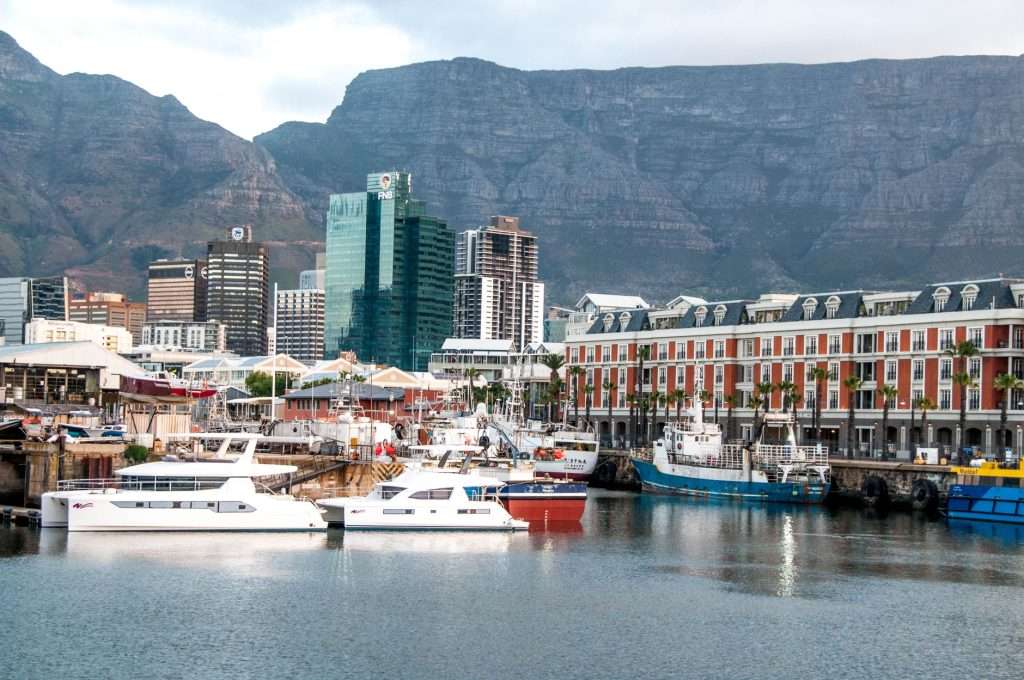
The Clock Tower Precinct offers one of the Waterfront’s clearest connections to its working-harbour identity. It is a good place to orient yourself, take in the water, and watch people moving between ferries, markets, restaurants and the rest of the precinct. If you want a sense of the Waterfront’s rhythm, this is one of the easiest places to pause and read it.
It is not a destination in the same way that a museum is, but that is part of its value. The Waterfront is at its best when the everyday harbour movement is still visible.
Marine Life and Family Adventures
The Waterfront is popular with families because it offers activities that do not depend on the weather, the tide or a complicated transfer across the city. If you are travelling with children, or simply want a straightforward indoor stop in between meals and walking, these are the most reliable choices.
See the Two Oceans Aquarium
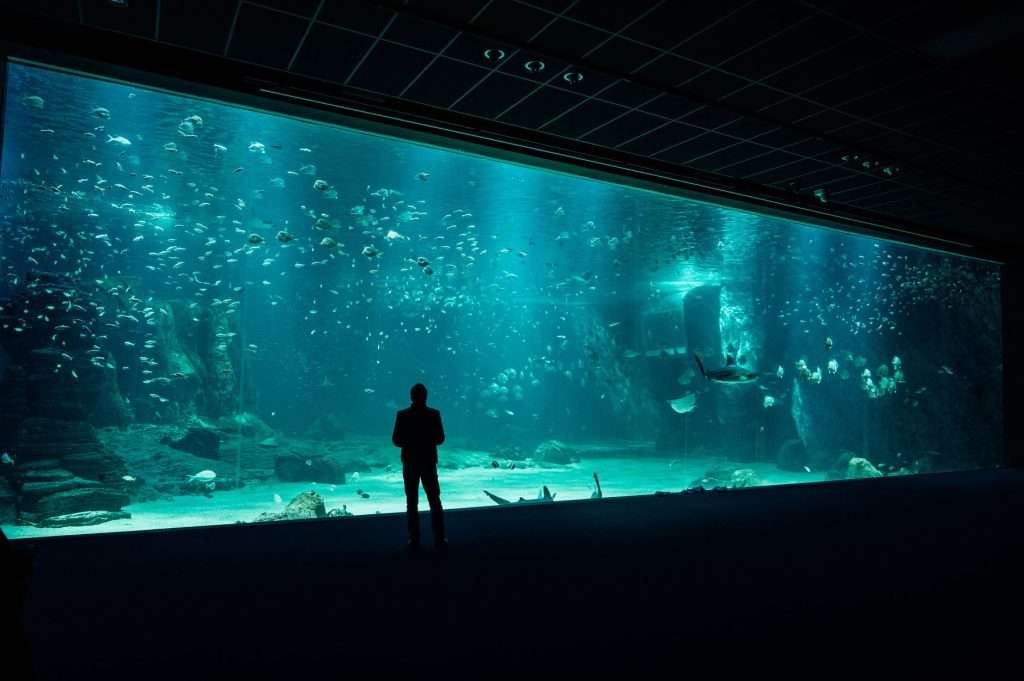
The Two Oceans Aquarium is one of the Waterfront’s strongest all-round attractions. It works well for families, but it is not limited to them. The displays give visitors an accessible way to learn about marine life found around southern Africa, and the setting makes it easy to combine with other Waterfront plans.
If you are visiting Cape Town with children, this is one of the easiest options to place into a day without requiring too much logistical effort. It also offers a useful break from the sun or wind, both of which can shape Waterfront plans more than visitors expect. As with other major attractions, check current hours and ticket information before you go.
Ride the Cape Wheel for a broad view of the precinct
The Cape Wheel is less about adrenaline than perspective. It gives you an elevated view over the Waterfront, Table Bay and, on a clear day, the wider city setting. If you are visiting for the first time, it is a useful way to understand how the harbour, retail zones and marina areas fit together.
This is particularly handy if you are trying to make sense of the precinct before walking it at ground level. It is also a simple option for mixed-age groups that want a short activity rather than a full outing.
Use the family-friendly spaces around the harbour for a slower hour
One of the Waterfront’s strengths is that not every activity has to be ticketed. The promenades, seating areas and open harbour edges allow families to build in quieter moments between bigger stops. That matters in a precinct where it is easy to over-programme the day.
If children need a break, use the open spaces to reset before moving on to lunch or another attraction. A successful Waterfront visit is often as much about timing as it is about attractions.
Culinary Highlights: Where to Eat and Graze
Food is one of the main reasons people linger at the Waterfront, but quality varies enough that a little intention helps. The best options are not necessarily the most visible from the busiest walkways. Think in terms of what kind of meal you want: a quick artisanal snack, a proper sit-down lunch, a seafood meal or a market-style graze.
Start with the V&A Food Market or a similar casual food stop
If you want to eat well without committing to a long restaurant booking, the Waterfront’s casual food options are the most flexible starting point. A good market or food hall setup lets you sample different styles of cooking, keep the pace relaxed and avoid overplanning the day around one table.
Because market-style venues can change over time, it is worth checking current vendor line-ups and opening details before relying on them as the centrepiece of your visit. The advantage, when they are operating well, is variety. They are useful for travellers who want to graze rather than settle into a formal meal.
Choose a restaurant for the setting as much as the menu
The Waterfront’s restaurants are part of the experience, not just places to refuel. Some work well for harbour views, others for polished seafood, and others for a more casual break between attractions. The best choice depends on whether you are after lunch with a view, an unhurried dinner or a simple meal between activities.
For travellers who want to eat around the Waterfront without wasting time, the most efficient approach is to reserve the lingering meal for either lunch or dinner and keep the rest of the day lighter. That gives you room to visit the key attractions without feeling tethered to the same cluster of streets.
Look beyond the obvious chains for local flavour
The Waterfront can be dominated by recognisable names, which is convenient but not always memorable. If you want the precinct to feel more like Cape Town than an airport terminal with better views, look for places that lean into local produce, seafood or South African flavour rather than defaulting to standard international menus.
That does not mean every meal needs to be ambitious. It means being selective about which meals you spend here. One thoughtful lunch is usually better than three forgettable stops.
Gateway to History: Robben Island
For many visitors, the Waterfront is the departure point for one of the most significant excursions in South Africa: Robben Island. The Nelson Mandela Gateway to Robben Island is the place to begin that journey, and it changes the way the Waterfront should be understood. This is not only a leisure district; it is also a point of access to national memory.
Book Robben Island with enough time to spare
If Robben Island is part of your plan, treat it as a half-day or longer commitment rather than something to squeeze in between lunch and shopping. The ferry and museum experience depend on current scheduling, weather and booking procedures, so verify the latest details in advance. That is especially important if your Cape Town itinerary is tight.
The best approach is to build the day around the island rather than trying to bolt it on as an afterthought. Give yourself a buffer for queues, check-in and the return to the Waterfront afterwards.
Pair the gateway with a simpler Waterfront stop before or after
Because Robben Island can be emotionally and logistically substantial, it often works best when paired with a calmer Waterfront activity either before departure or after return. A quieter lunch, a harbour walk or a design stop can make the day feel balanced rather than overpacked.
If you are visiting with first-time travellers to Cape Town, this pairing also helps the Waterfront function as a full-day base instead of a single-purpose departure point.
Practical Tips for Your Visit
A good Waterfront day depends on timing, transport and knowing what to prioritise. The area is walkable, but it is also popular, which means certain hours can feel crowded and certain decisions can save you a great deal of friction.
Go early or later in the day if you want a calmer experience
The Waterfront is busiest when most visitors are trying to do the same things at the same time. If you want a quieter visit, aim for the earlier part of the day or later afternoon rather than the middle of the day, when the precinct can be at its most compressed. This matters most around major attractions, food stops and the harbour-facing promenades.
If you are planning to photograph the area, earlier light and later light are both more forgiving than harsh midday sun. They also suit the harbour setting better.
Decide in advance whether you are parking or arriving by ride-hail
The Waterfront is one of those places where arrival choice shapes the whole visit. If you are driving, allow time for parking and walking from the relevant parkade. If you are arriving by ride-hail or taxi, think about your drop-off point so you do not begin the day by wandering across a busy section of the precinct.
Because parking rates and payment methods can change, it is sensible to verify the current setup before you go. That is especially true if you are visiting on a weekend or during a busy holiday period.
Combine the Waterfront with nearby neighbourhoods if you have more time
Where to stay: Luxury Green Point Apartment — View Luxury Green Point Apartment
The Waterfront works well as a base for a broader Cape Town day because it sits close to other useful areas. Green Point, De Waterkant and Sea Point are all natural extensions if you want to keep exploring after your Waterfront stop. That can be especially helpful if you are staying nearby and want to avoid unnecessary transport.
If you are using the Waterfront as part of a first-time visit to Cape Town, it also sits neatly alongside the city bowl, a coastal drive or an outdoor activity elsewhere in the city.
Use the Waterfront for a structured day, not a random wander
The precinct is large enough that a loose plan helps. A sensible Waterfront day might look like this: start with Zeitz MOCAA or the Two Oceans Aquarium, pause for lunch or market food, walk through the Silo District or Watershed, then finish with a harbour stroll or Robben Island departure if that is on the agenda. That sequence keeps you moving through different types of experience rather than repeating the same kind of stop.
For most travellers, that balance is what makes the Waterfront worthwhile. It is not just a place to visit, but a place to organise a good Cape Town day around.
Quick take: If you want the best version of the V&A Waterfront, prioritise Zeitz MOCAA, the Two Oceans Aquarium, Watershed, a proper meal, and the Nelson Mandela Gateway if Robben Island is on your list. Leave enough time to walk rather than rushing straight from one entrance to the next.