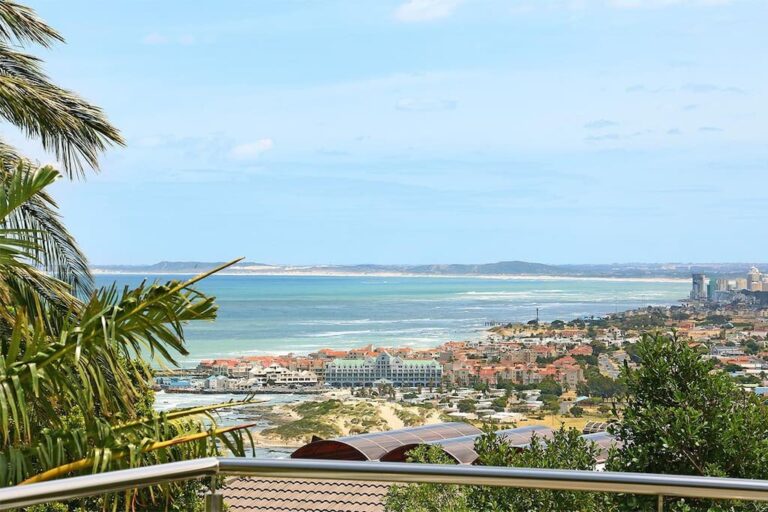

If you are hoping for a white cityscape in Cape Town, it is best to set expectations carefully. Snow in Cape Town itself is extremely rare at low altitude, and most visitors will never see the city centre or the beaches covered in snow. What Cape Town does get, especially in winter, are cold fronts that can leave the higher peaks nearby looking very different from the coast below.
That is the real appeal of a Cape winter for snow-seekers: not a city blanketed in snow, but the chance to see white on the mountains around it. On the right day, Table Mountain may carry a dusting, and further inland the Cape mountains and Boland ranges can receive proper snow.
This guide keeps things realistic. It explains where snow is actually possible, which mountain areas are the best bets, when snow is most likely, and how to plan a winter trip around Cape Town without chasing an unrealistic promise.
Does Table Mountain Get Snow?
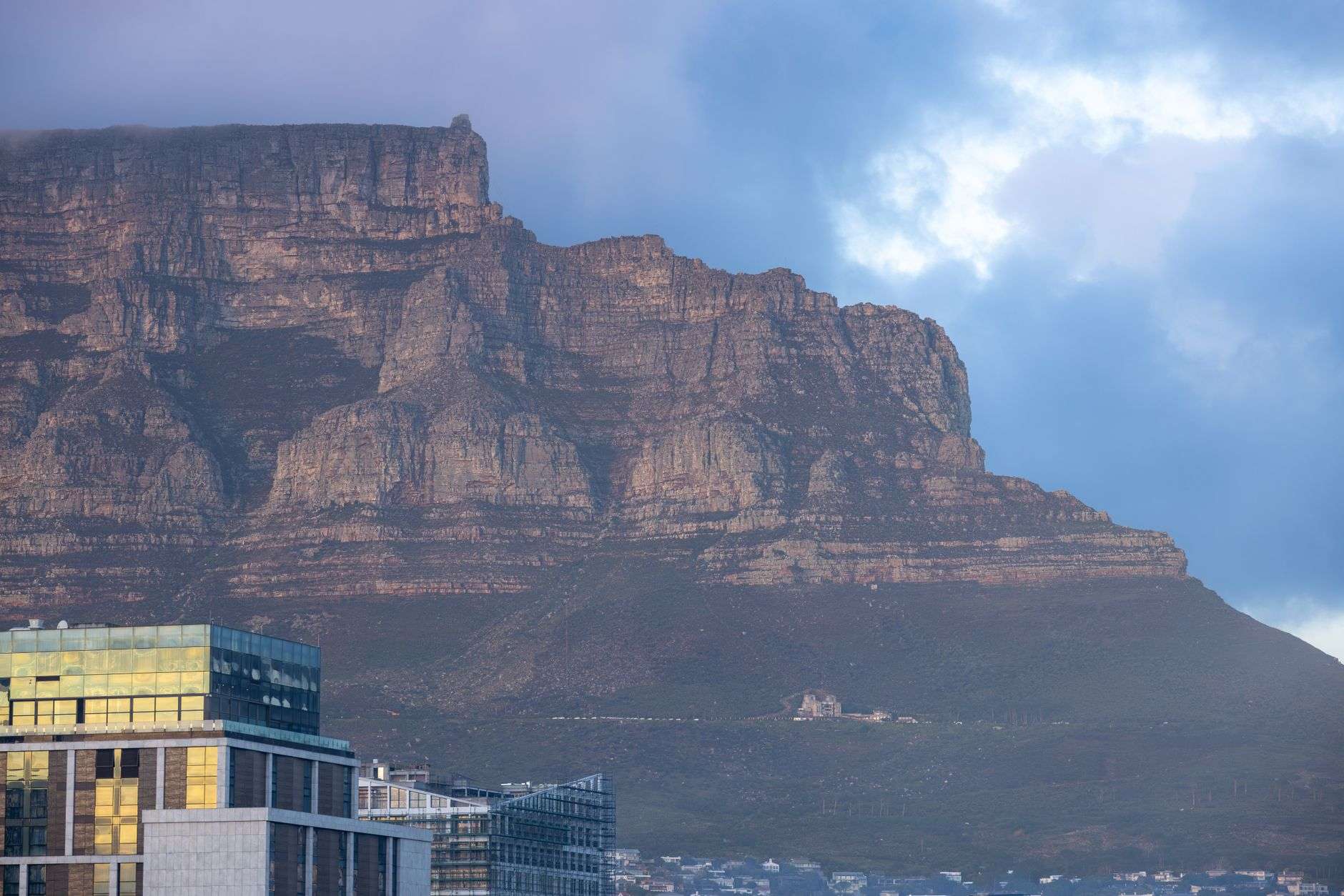
Table Mountain can get snow, but it is uncommon and usually limited to the upper mountain or surrounding high peaks rather than the city itself. In practical terms, the answer to “does it snow on Table Mountain?” is yes, sometimes, but not often enough to plan a trip around a guarantee.
When a strong winter cold front moves through the Western Cape, the higher parts of Table Mountain and the peaks behind the city may show a light covering. From the ground, that can be enough to create the impression of snow in Cape Town, even though the city streets remain wet, cold, and windy rather than white.
If you are in the city and hoping to spot snow on Table Mountain, the best approach is to look upwards during a winter storm cycle. Clearer breaks after a front can be especially rewarding, because the snow line is easier to see once the cloud lifts.
It is worth remembering that what appears as snow in photographs is often a brief dusting. That makes timing important, and it also means that the mountain may look very different by the next day.
Where to Find Real Snow Near Cape Town
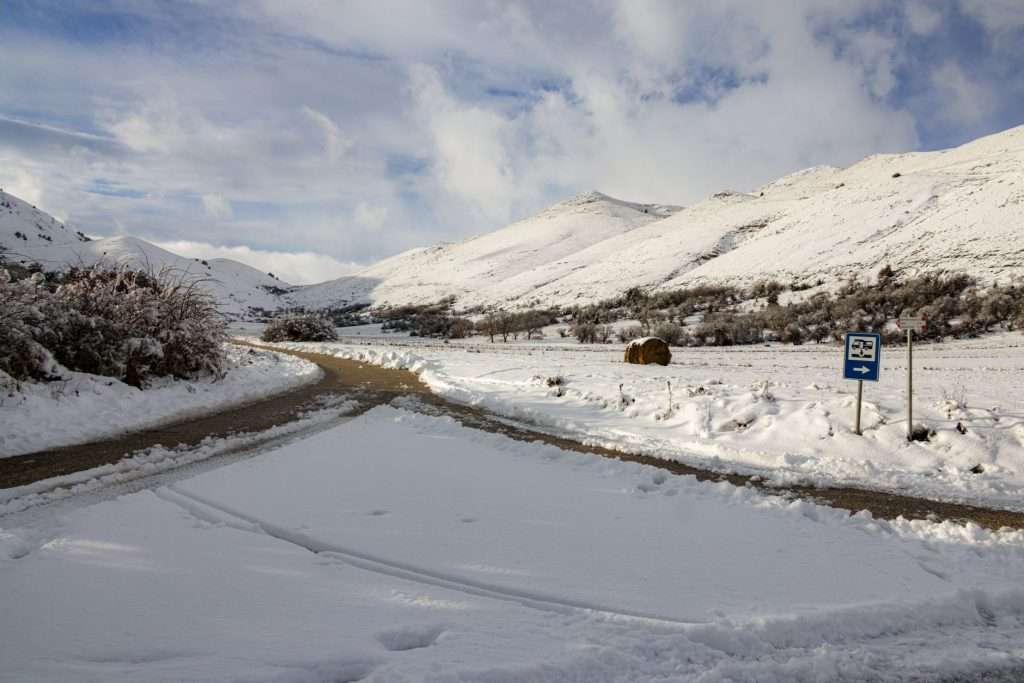
If your goal is not just a snow-dusted skyline but real snow near Cape Town, you generally need to head away from the coast and into the higher inland mountains. The closest reliable options are in the Boland and the broader Western Cape mountain ranges, where altitude gives snow a much better chance of settling.
Matroosberg Reserve
Matroosberg is one of the best-known places to look for snow near Cape Town. It sits high enough to receive proper winter snowfall more often than the city or the coastal mountain chain, and it has long been associated with winter snow trips. If you are asking where to see snow near Cape Town, this is one of the first names to know.
Because operations and access can change, check current conditions before planning a visit. Snow events also affect the experience itself: roads may be difficult, visibility can drop quickly, and mountain weather can shift without much warning. If you are interested in winter activities as well as scenery, Matroosberg is the place most commonly linked with that kind of trip.
Franschhoek Pass and the surrounding mountains
Where to stay: Where Mountains Meet Sunsets — View Where Mountains Meet Sunsets
The mountains above Franschhoek can occasionally be snow-covered after a cold front, and the pass can be one of the most dramatic inland routes to watch during a winter spell. Even when snow is not deep enough for serious snow play, the contrast between vineyards below and white slopes above is one of the most memorable winter scenes in the Cape Winelands.
The Franschhoek valley itself is not a snow destination, but the higher surrounding terrain can become strikingly wintry for short periods.
Du Toitskloof Pass and the Boland ranges
Further east, the mountain country around Du Toitskloof and the wider Boland range also offers a better chance of snow than the city. These are not casual last-minute beach-to-snow excursions. They are inland mountain conditions that require patience, a flexible plan, and respect for weather changes.
During heavier winter events, mountain passes in this part of the Western Cape may be affected by hazardous conditions and temporary closures. If you plan to drive, check local updates before setting out and allow for a slower, more cautious journey.
Can you ski or snowboard near Cape Town?
For most travellers, the short answer is no, not in the way you would expect from a dedicated ski resort. Snow sports in the region are limited and weather-dependent, and they should be treated as occasional winter experiences rather than a predictable holiday option.
If you are specifically chasing snow sports, Matroosberg is the name most closely associated with that possibility. Even so, winter conditions are never guaranteed, so it is wiser to think of it as a snow chance rather than a ski holiday.
When is the Western Cape Snow Season?
The Western Cape snow season is usually the winter period, when cold fronts are most likely to bring low temperatures, rain, and snow to higher ground. For Cape Town itself, winter is more about storms, grey skies, and dramatic mountain views than snow on the street.
In practical traveller terms, the best window for a possible snow sighting is the Cape winter, especially when several cold fronts pass through in succession. That does not mean snow arrives on a timetable. It means that the combination of altitude and colder air is most favourable then.
If you are planning a trip specifically to increase your chances, it helps to remain flexible. A few useful principles apply:
- Watch the weather closely in winter. Snow in the Cape is tied to passing fronts and colder air higher up.
- Go inland for better odds. The coast is unlikely to give you the white scenery you want.
- Be ready for short-lived conditions. Snow can melt or disappear from view quickly at lower elevations.
- Do not rely on one day alone. A winter trip with spare time gives you a better chance of catching a good window.
If you are mainly in Cape Town for sightseeing, it is still worth keeping an eye on the mountains during winter. Even without snow, the weather can make the city look completely different from summer, with moody cloud cover, dramatic light, and clear views after a front has passed.
Enjoying Winter in Cape Town
You do not need snow to enjoy the Cape in winter. In fact, the season suits a different kind of trip: slower city days, Winelands lunches, scenic drives, museum visits, longer meals, and mountain views that often look their best under winter light.
If snow is part of your travel wish list, the smartest approach is to combine it with other winter experiences rather than treating it as the only goal. A realistic Cape winter itinerary might include a city base, a day trip into the Winelands, and a flexible mountain excursion if conditions look promising.
For travellers who enjoy photographs, winter can be especially rewarding. The city is usually quieter than in summer, and the contrast between the Atlantic coast, the wet mountain slopes, and the inland snow line can be excellent when the weather cooperates.
So, does it snow in Cape Town? Not often in the city itself. But if you are willing to look to the surrounding mountains, winter can still deliver the snow experience you were hoping for — just in a more rugged, less predictable form.
In short: Cape Town is not a snow town, but winter fronts can bring snow to nearby peaks, especially inland mountains such as Matroosberg and the higher Boland ranges. If snow is your priority, plan around the season, stay flexible, and be prepared to travel beyond the city to find it.