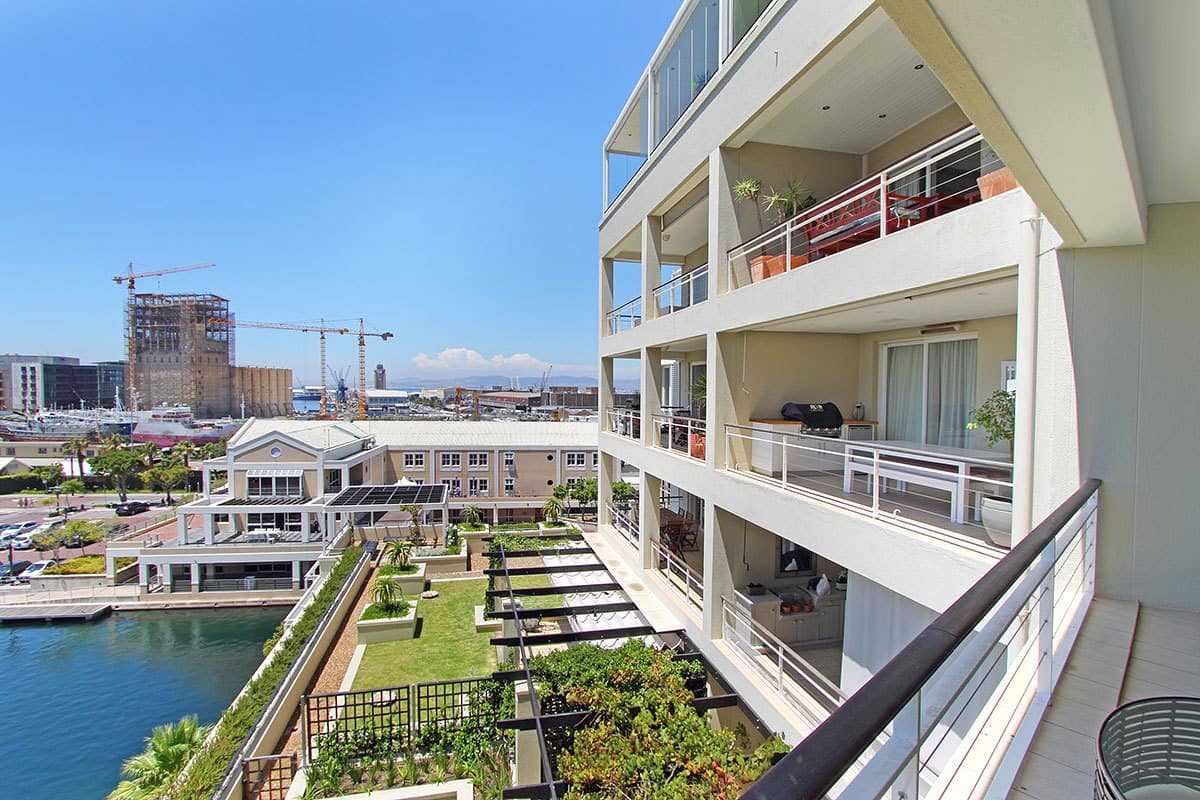
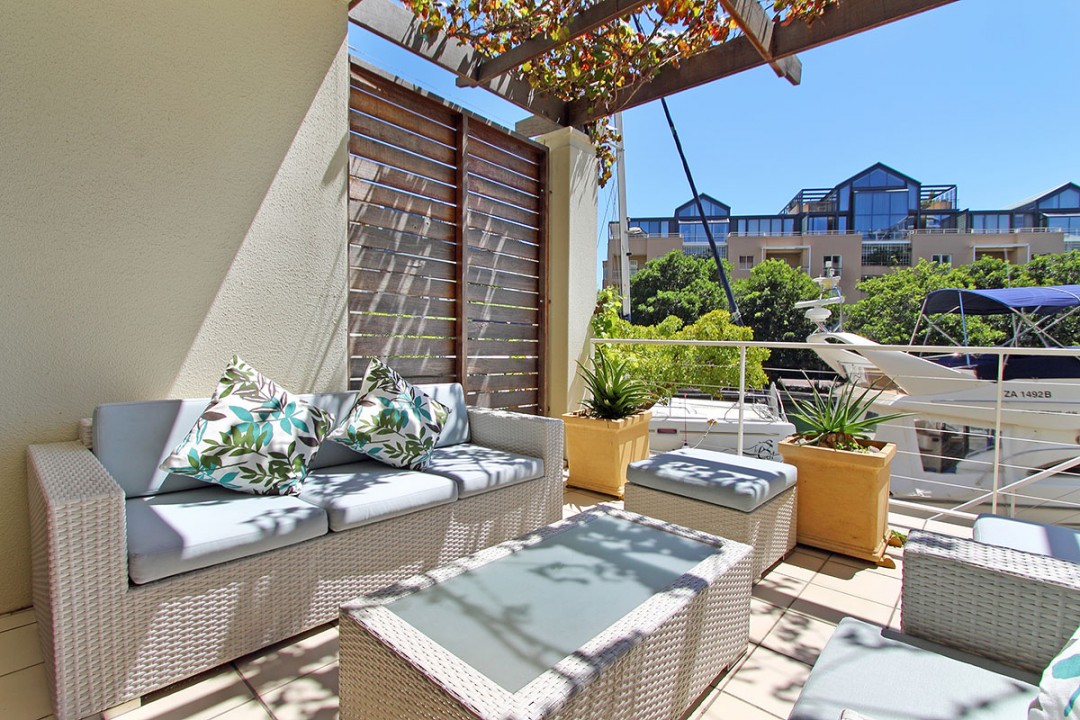
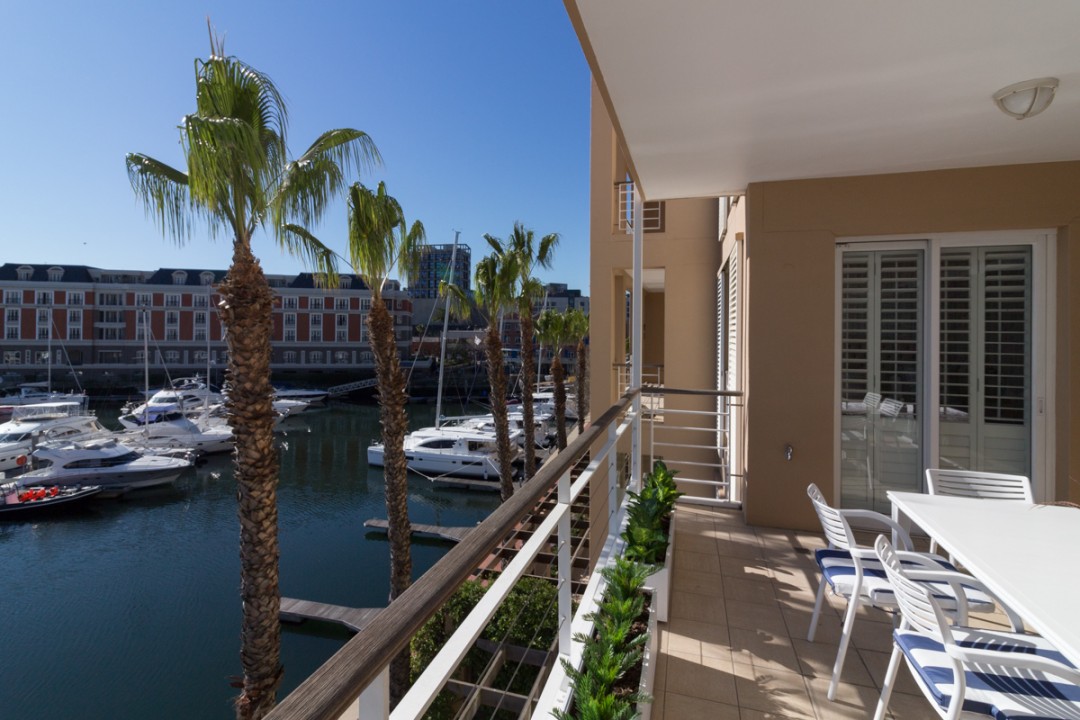
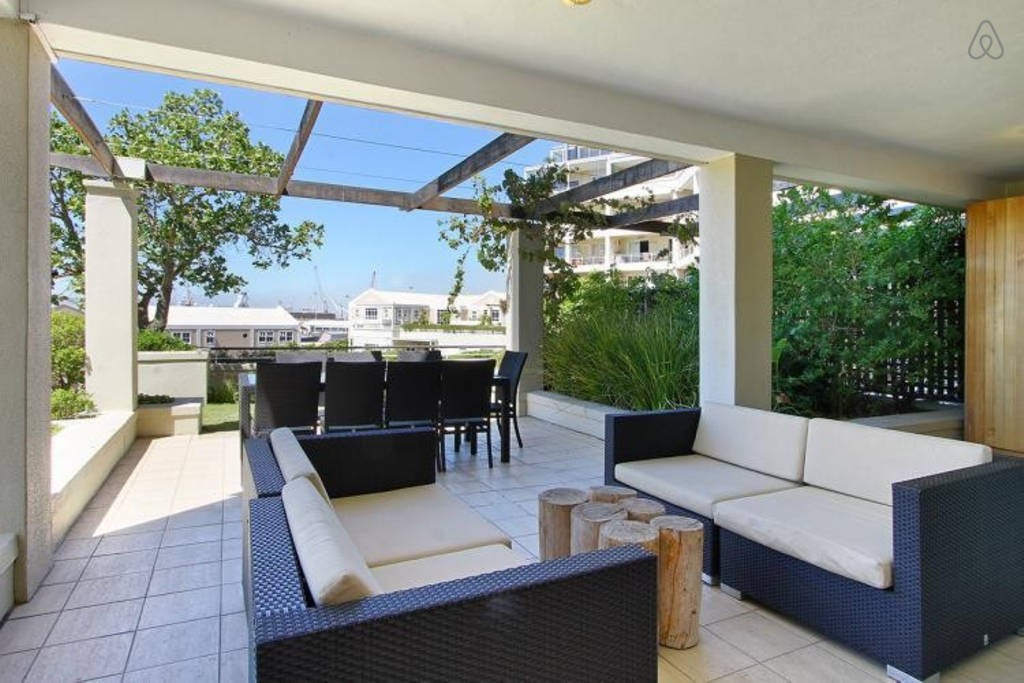
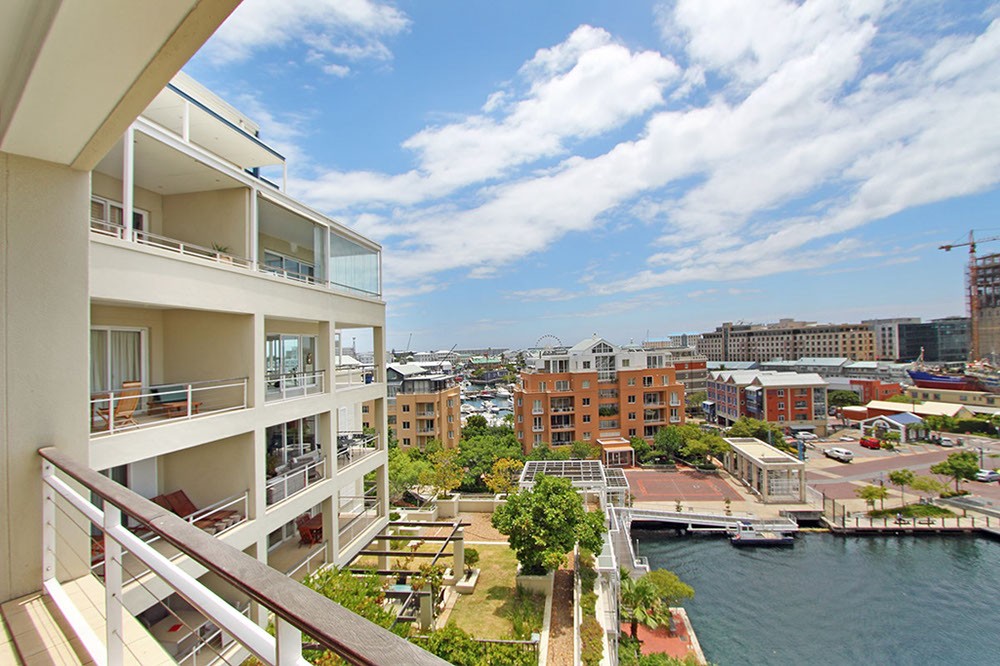
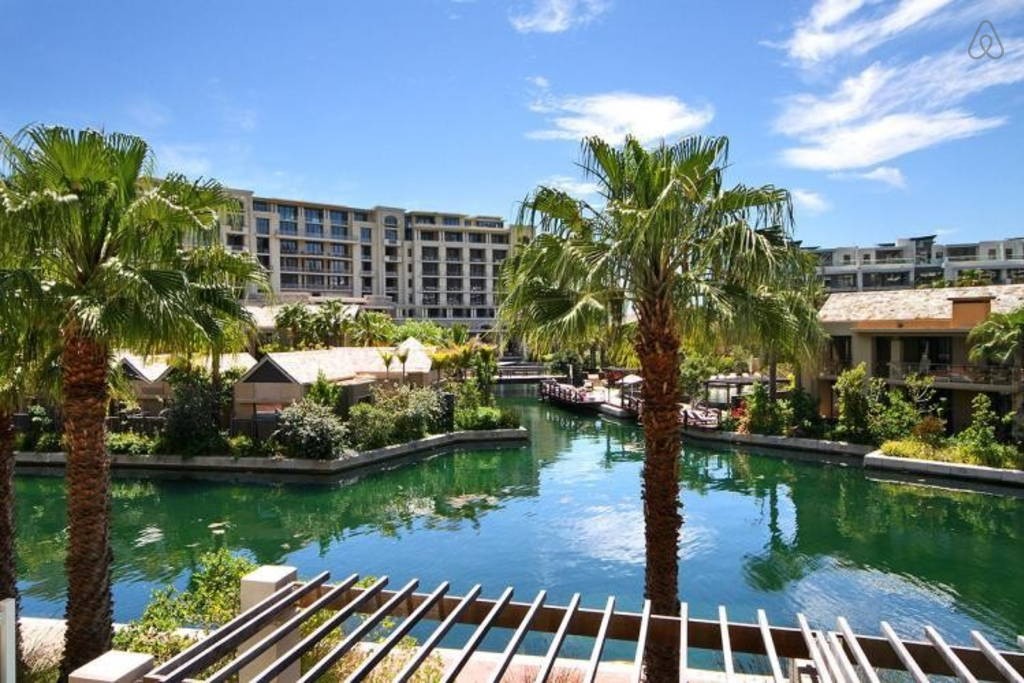
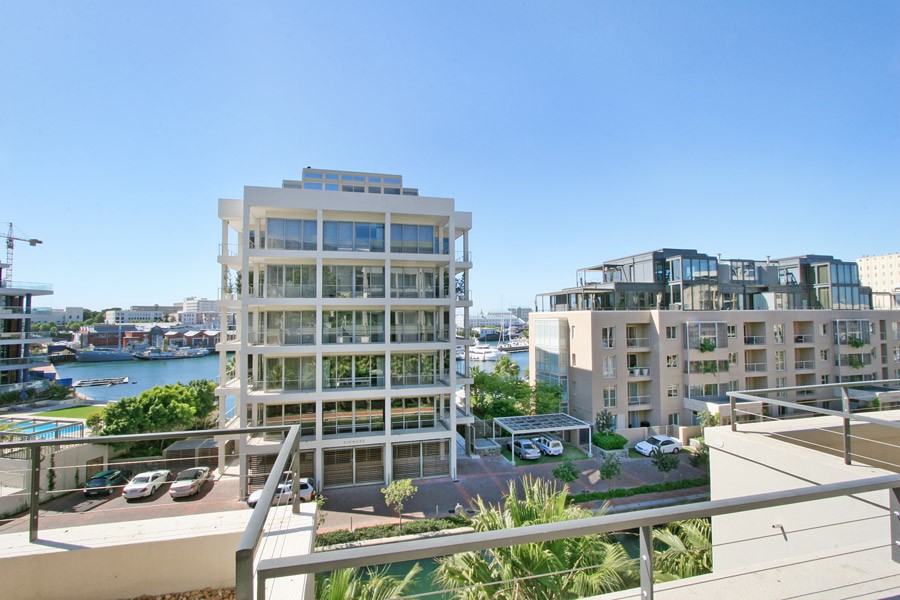
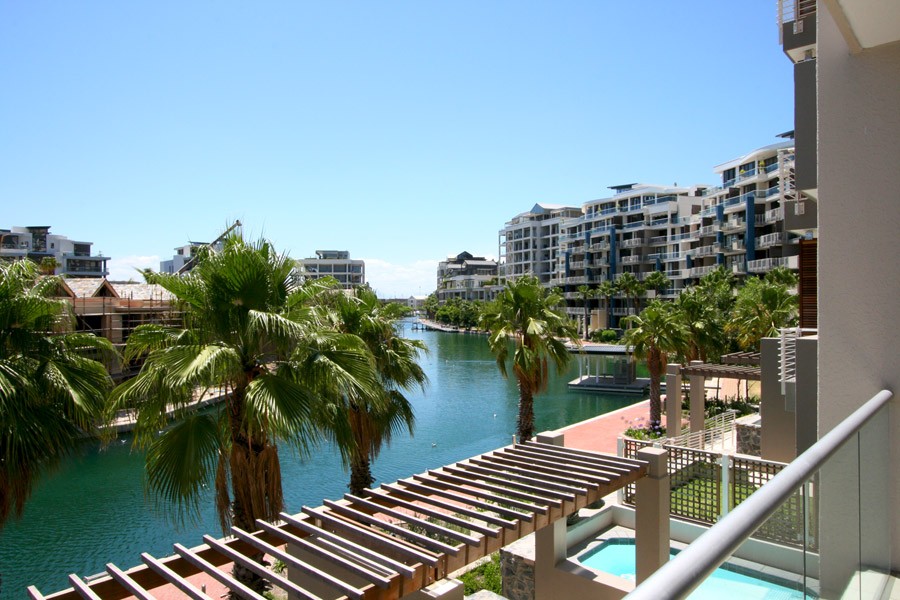
Wondering whether accommodation in the Waterfront is right for you and your travel partners? Here are some reasons to consider this highly sought-after area...
If you are trying to decide where to stay during your holiday, the choices are almost endless. Do you stay near the sea, or be right in the middle of the city? Do you head out to quieter areas, or throw yourself into the vibrant hustle and bustle with aplomb? The Waterfront may seem like an obvious choice, especially as it is featured in just about every Cape Town tour guide. But along with the obvious highlights, this area has a fascinating history that offers more than meets the eye. Take a virtual stroll through the Waterfront with us as your online tour guides.
A Brief History of Waterfront Accommodation and Attractions
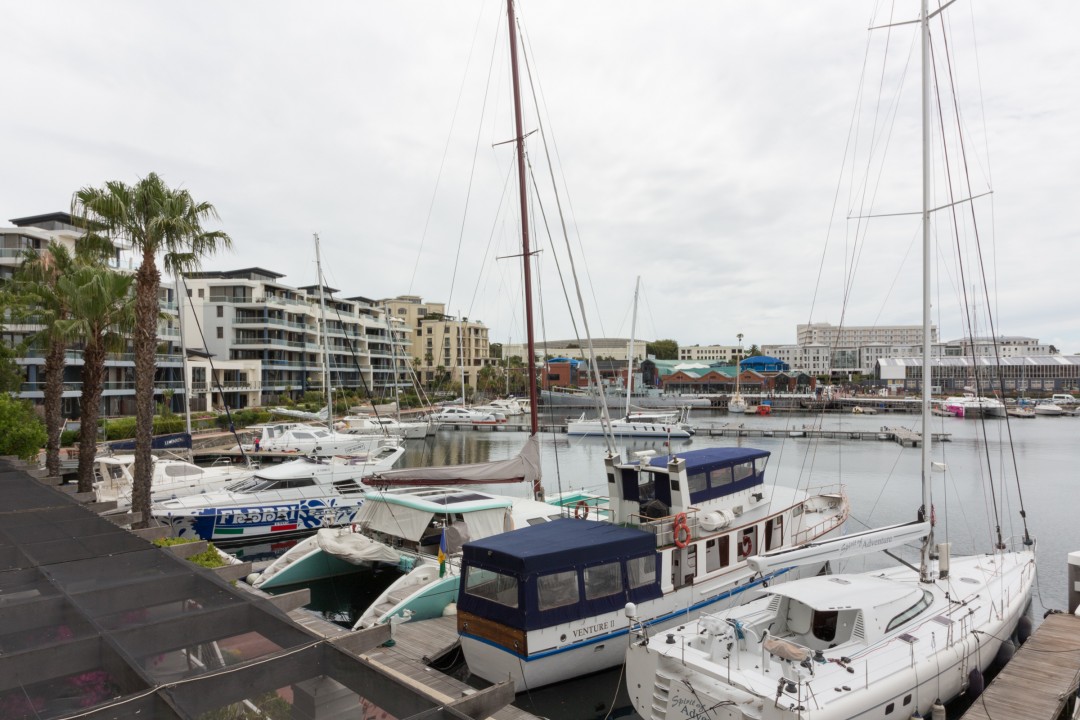
While the Waterfront that we have all come to know and love was only developed a decade or two ago, the actual harbour has been an important part of Cape Town since 1860. This was when Prince Alfred, the son of Queen Victoria, tipped the very first stones for the breakwater. The port was created as part of the Eastern trade routes, with the Victoria Basin and Alfred Basin developed when the gold and diamond opportunities in South Africa were discovered. These two basins were built between 1860 and 1920, with many heritage buildings built during this era.
During the 1970s, the harbour and its surrounding land were largely unused, due to commercialisation, South Africa’s political isolation and the opening of the Suez Canal. There was however a call for public access and wider use, and in 1988 Transnet Limited established a wholly owned subsidiary company, Victoria & Alfred Waterfront (Pty) Limited. This would become the V&A Waterfront that is so well-known today.

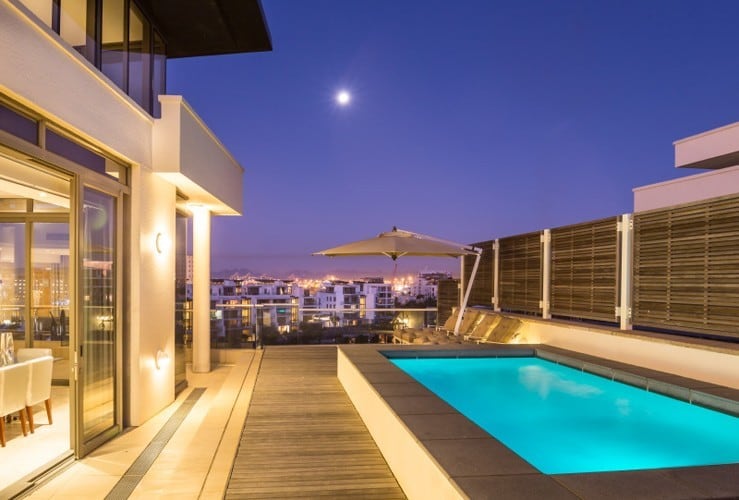
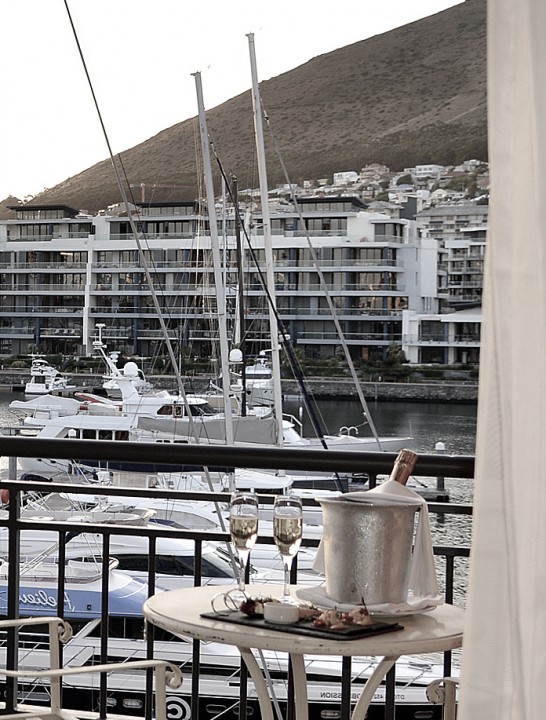
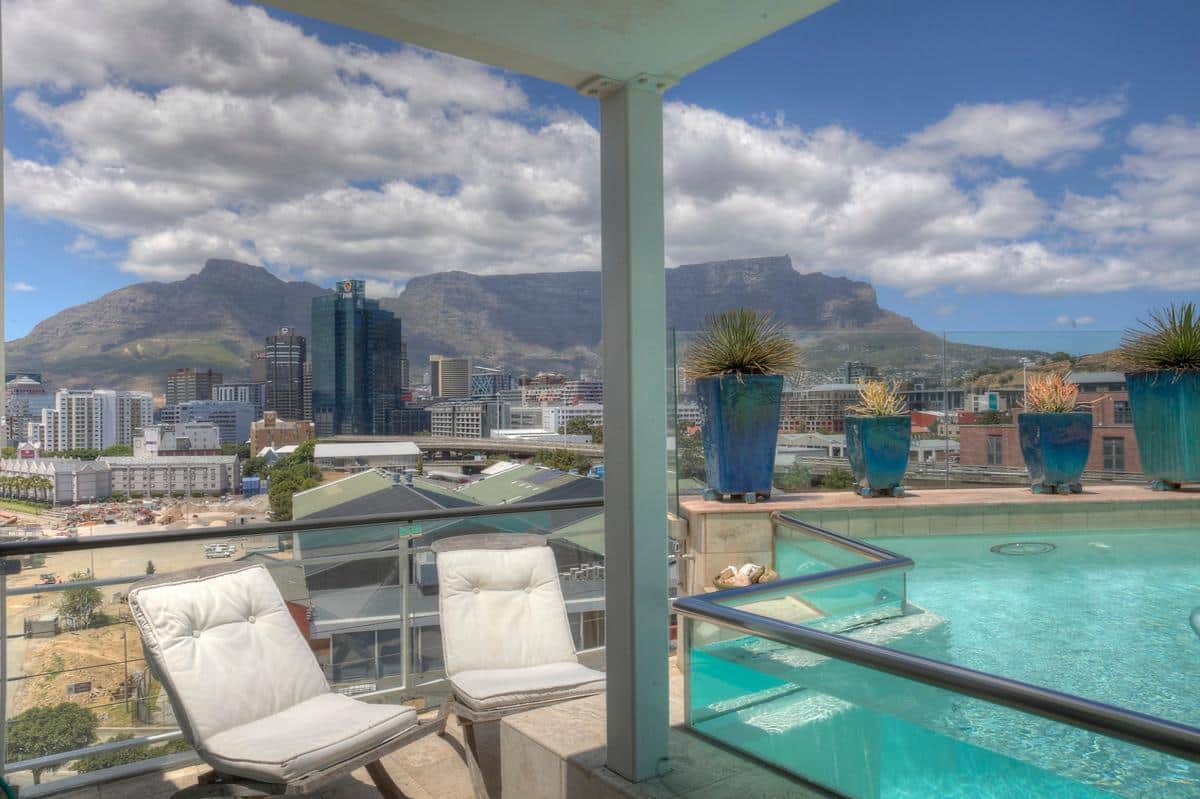
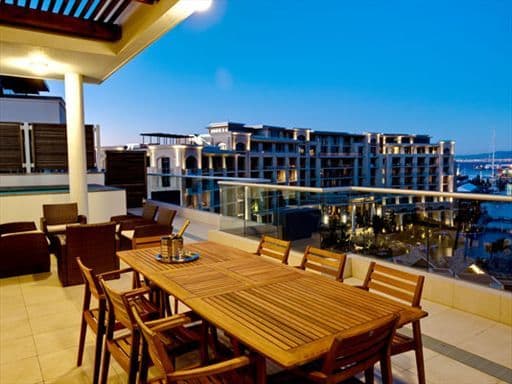
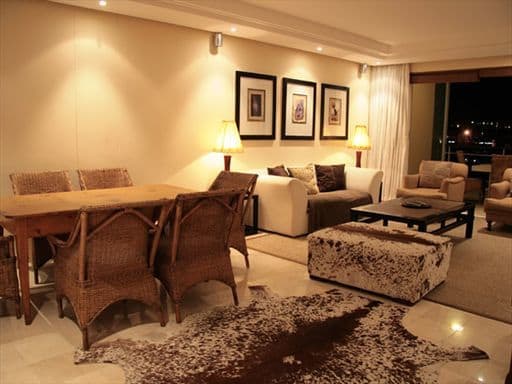
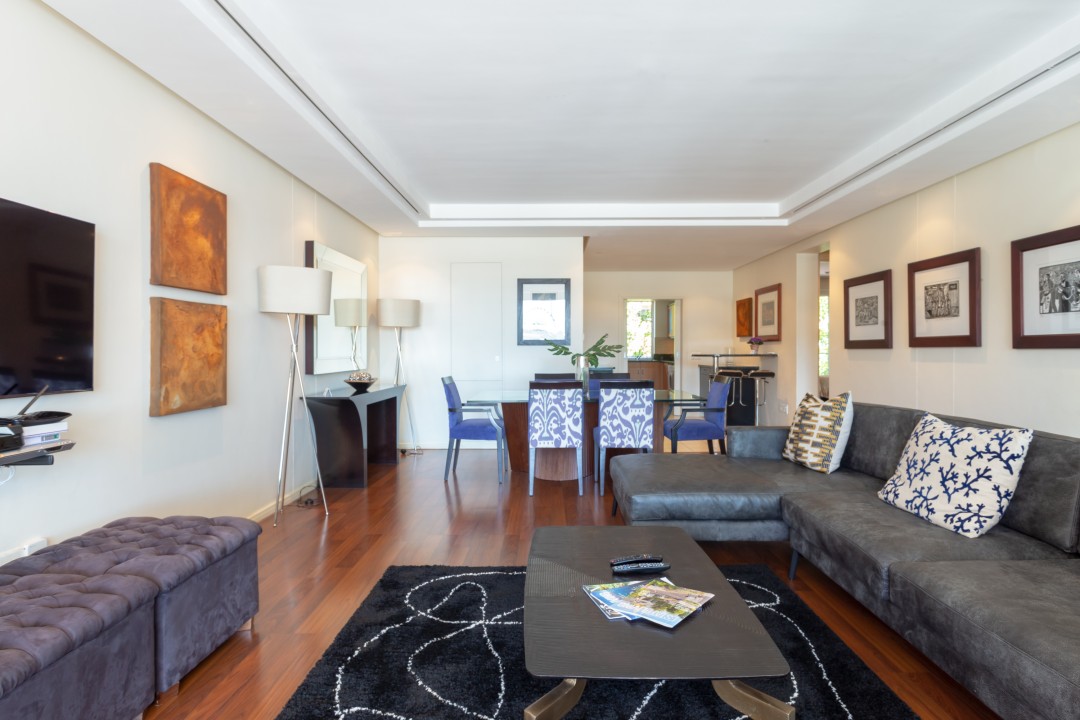
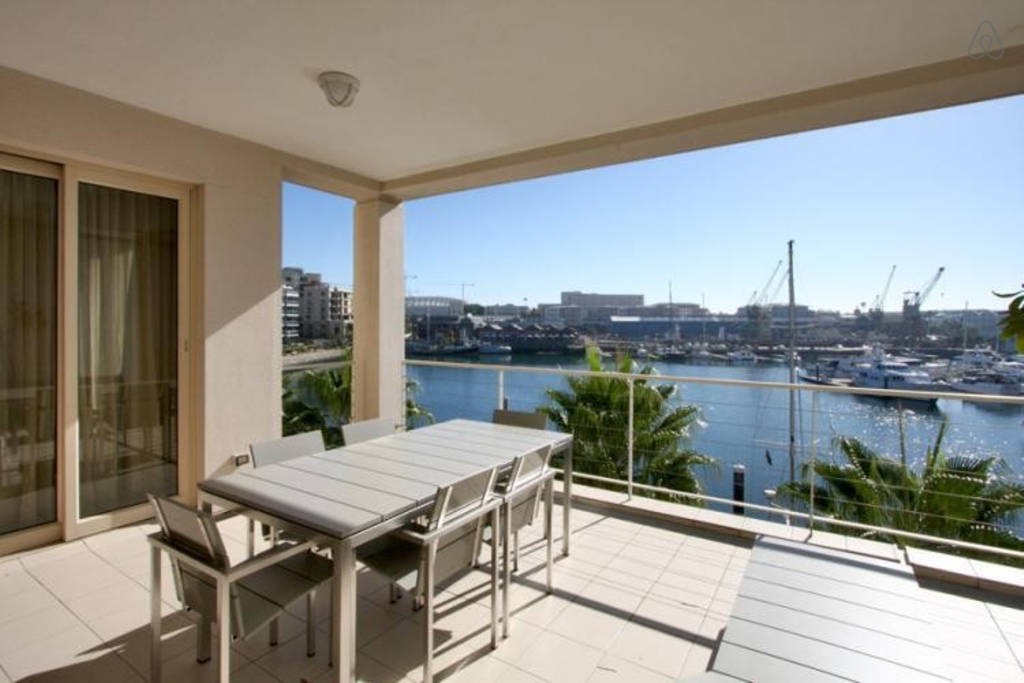
Over the next three decades, the Waterfront was gradually developed – a process that is still taking place. Attractions such as the Two Oceans Aquarium, Mineral World and the V&A shopping centre were developed, drawing locals and visitors to the area. Luxurious apartments, hotels, restaurants and bars also began to appear, along with craft markets, the Amphitheatre and many other popular places of interest.
But despite the addition of so many new and improved elements, the heritage of the Waterfront has still remained. The Clock Tower has been restored; the Time Ball Tower was re-commissioned, the Robben Island Museum was developed to allow visitors to the infamous place where Nelson Mandela spent his sentence; the Maritime Museum was developed; Chavonnes Battery was uncovered and the old parts of the harbour were made accessible to the public.
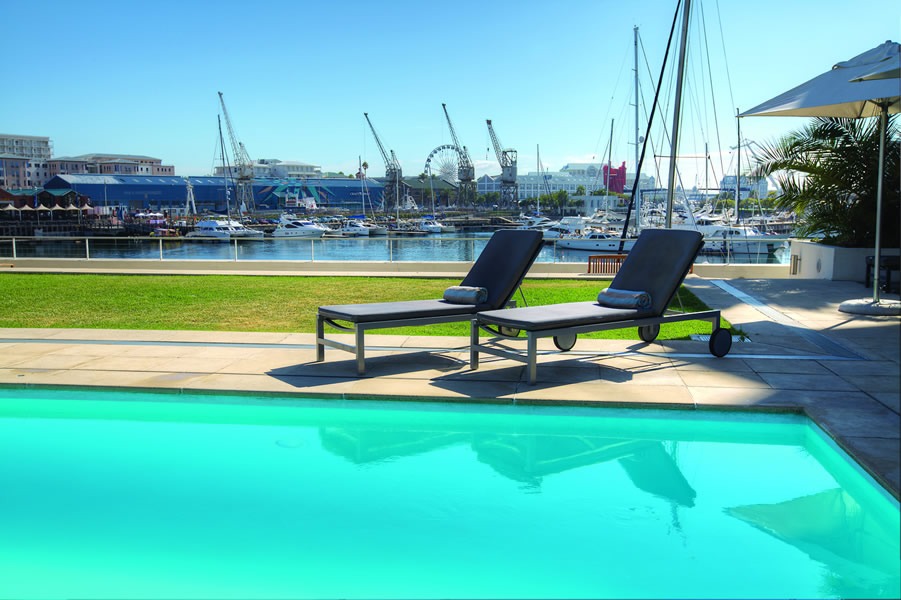
The combination of attractions, scenery, culture and history have made the Waterfront one of Cape Town’s most widely known areas, with plenty to see and do. From relaxed lunches alongside the harbour, to seal-spotting, boat cruises, helicopter flips, aquarium visits, semi-precious stone collecting, shopping, live music, cocktails, heritage tours and kid’s activities (not to mention high-end accommodation options), the Waterfront makes for a perfect day out – all-year round.
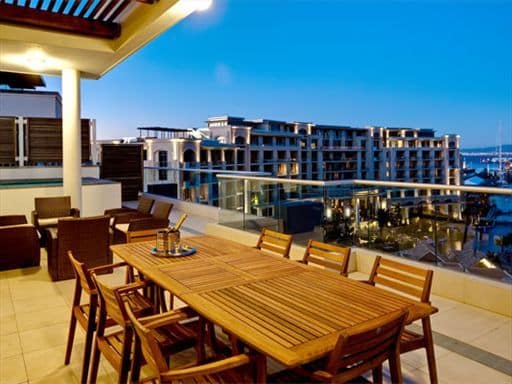
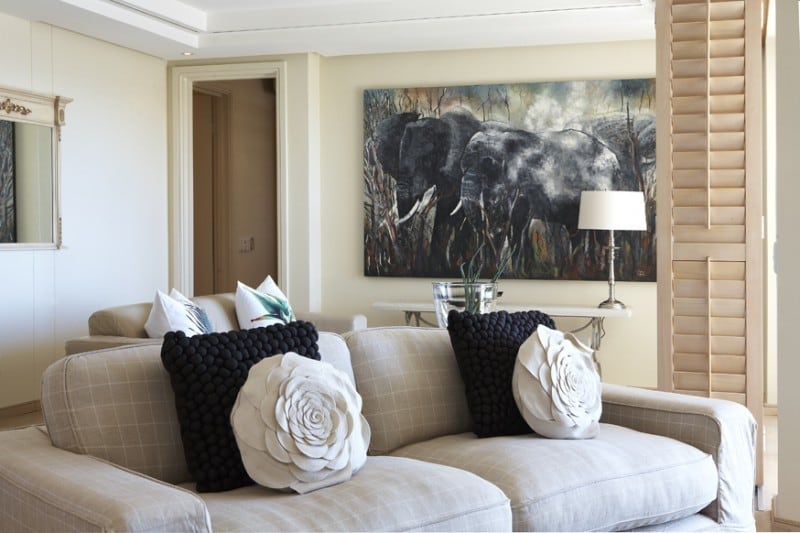
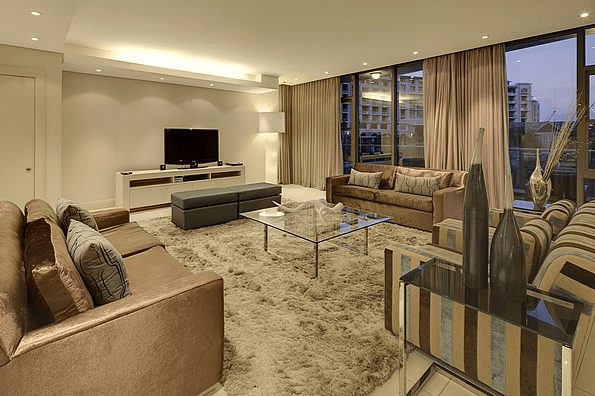
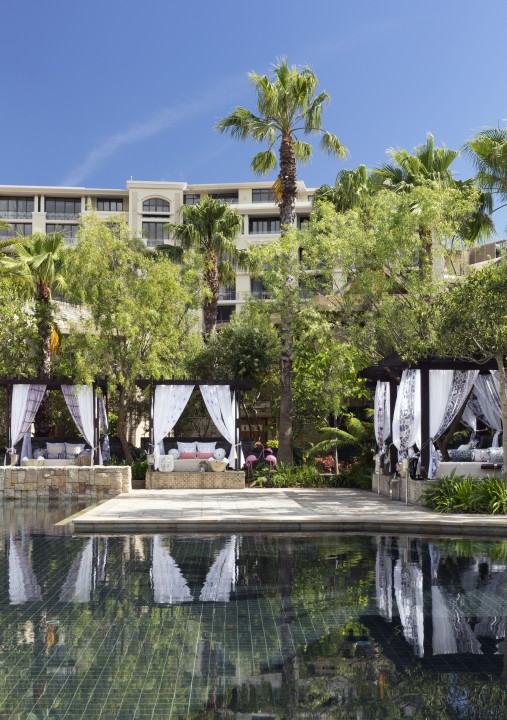
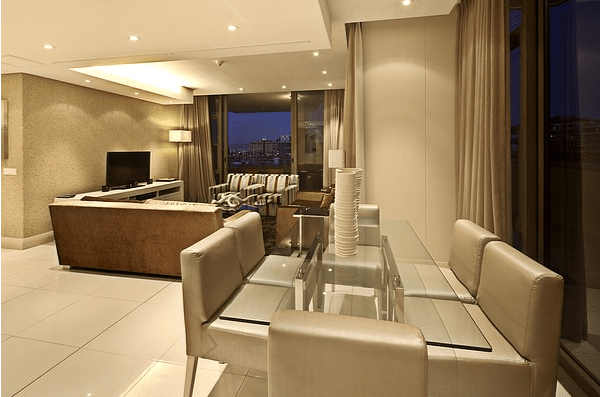
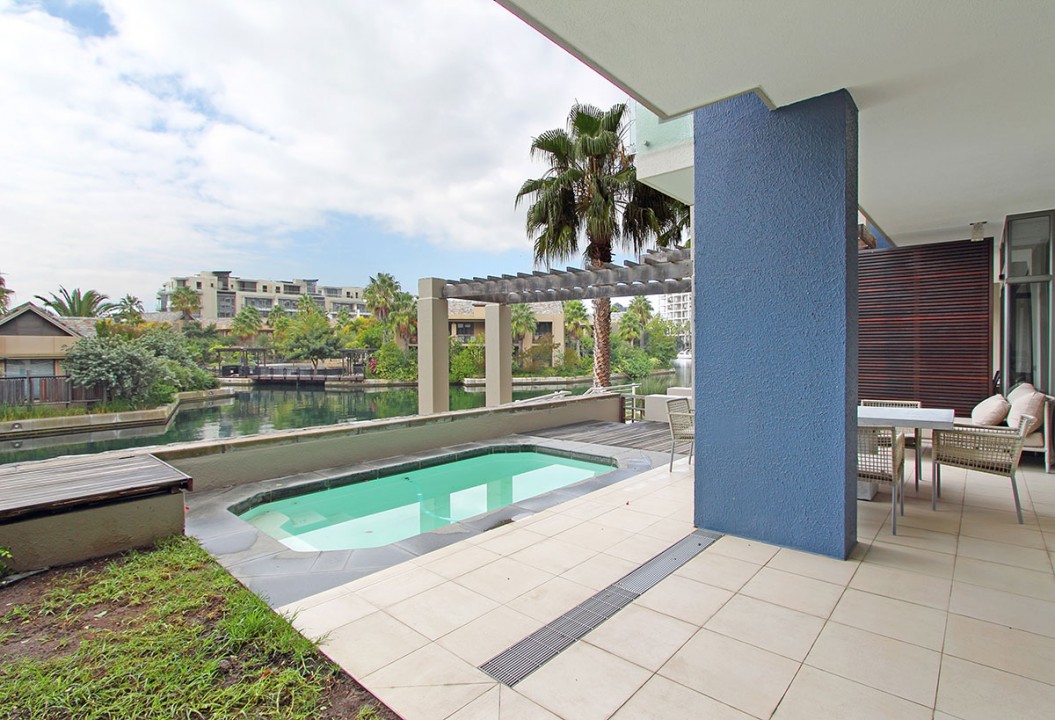
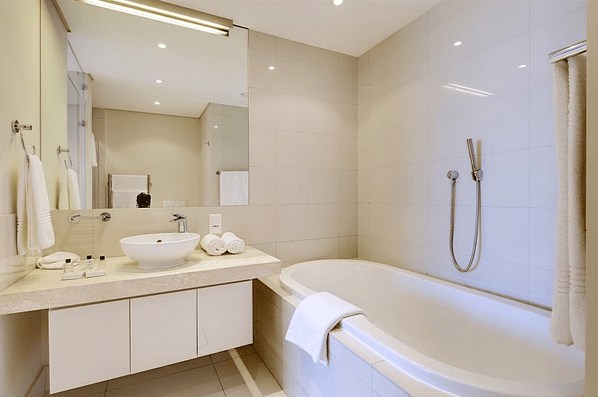
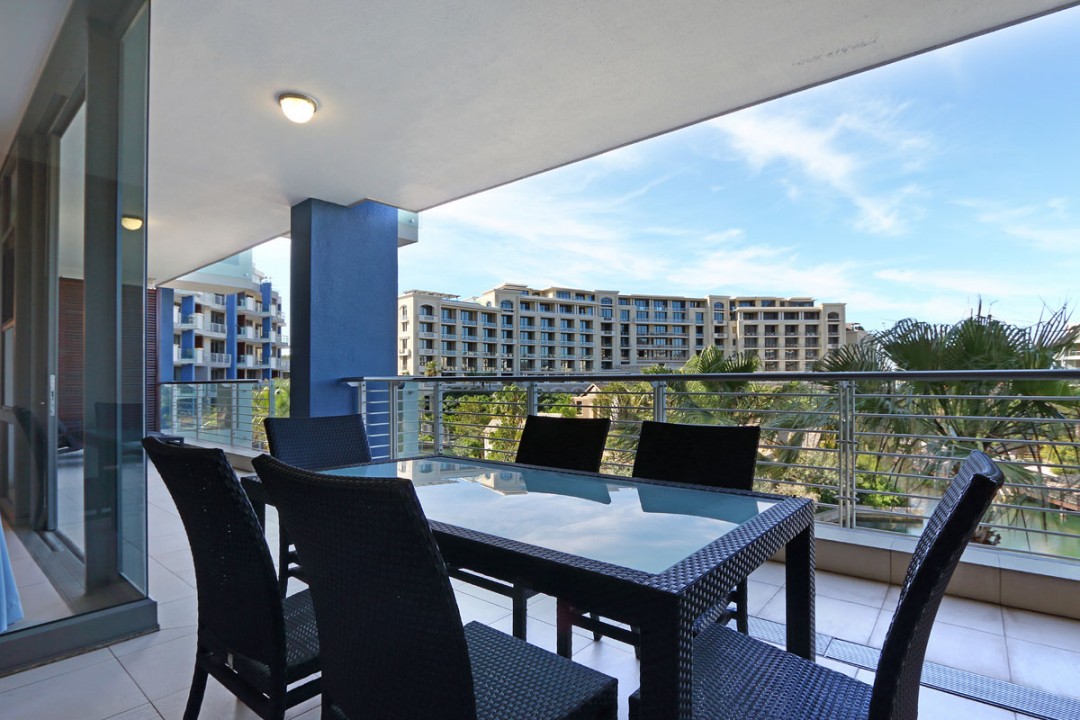
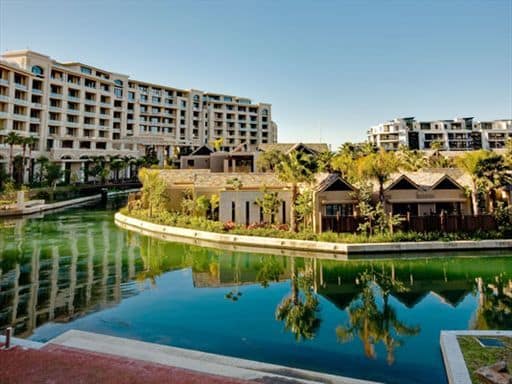
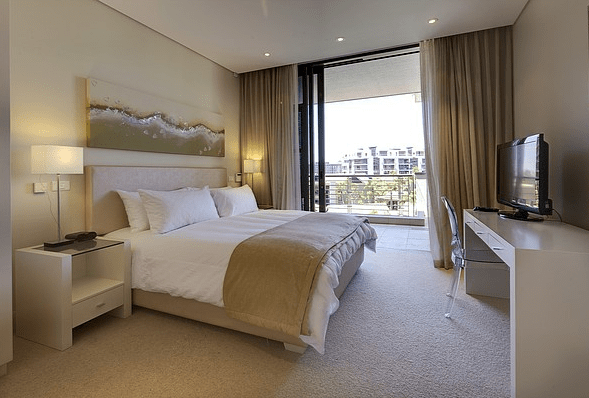
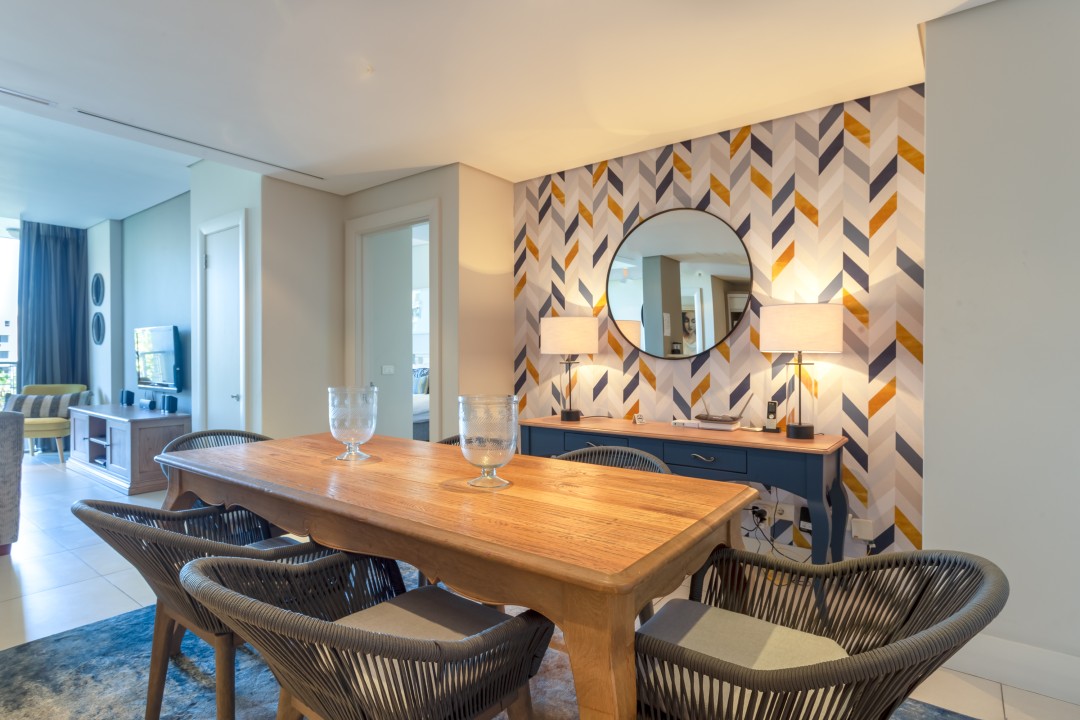
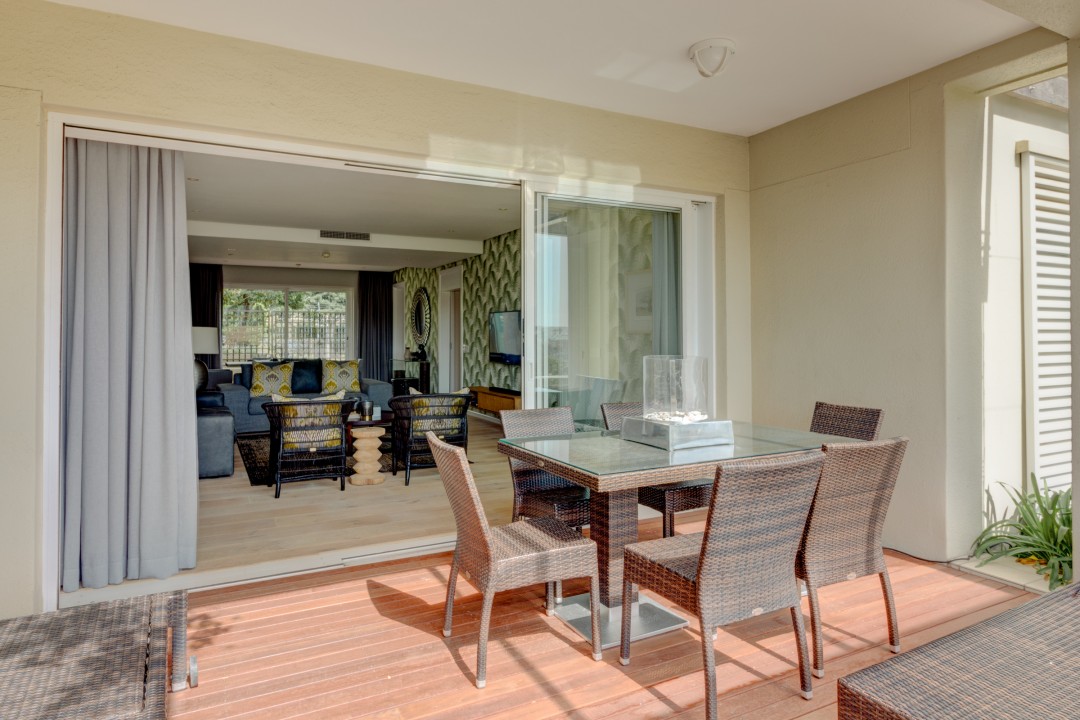
For Waterfront accommodation options, we have a selection of waterfront luxury apartments and waterfront hotels available - contact us today to find out how we can help you plan the ideal holiday!